

Plenty of people snore. Far fewer realize that some of that snoring is the sound of a person stopping breathing — over and over, all night long. Sleep apnea is one of the most underdiagnosed conditions in adult health: estimates suggest the large majority of people who have it don't know, because the damage happens while they're asleep and the symptoms show up disguised as ordinary tiredness.
Unlike insomnia, where you ...

It often starts in the mid-40s with small things that seem unrelated. Your periods, regular for decades, turn unpredictable. You wake at 3 a.m. drenched in sweat. Your mood feels like it has a hair trigger, and words you've used your whole life occasionally go missing mid-sentence.
Menopause is a normal life stage, not an illness — but "normal" doesn't mean you have to white-knuckle your way through it. This guide ...

Key Takeaways
Most adults need 7–9 hours of sleep per night; consistently getting less is linked to weaker immunity, worse focus, weight gain, and higher long-term disease risk (Sleep Foundation).
The biggest lever is consistency: going to bed and waking up at the same time every day — weekends included — stabilizes your circadian rhythm more than any gadget or supplement.
Screens before bed hurt sleep twice: blue-enriched light suppresses melatonin, and engaging ...

Key Takeaways
No single food, pill, or habit can "supercharge" immunity overnight. A resilient immune system is built from consistent basics: sleep, nutrition, movement, and stress management (Harvard T.H. Chan School of Public Health).
Rainy seasons raise infection risk through a combination of factors: people crowd indoors, humidity helps some viruses linger, and reduced sunlight can lower vitamin D levels.
Aim for 7–9 hours of sleep, since chronic sleep loss measurably weakens immune ...
Key Takeaways
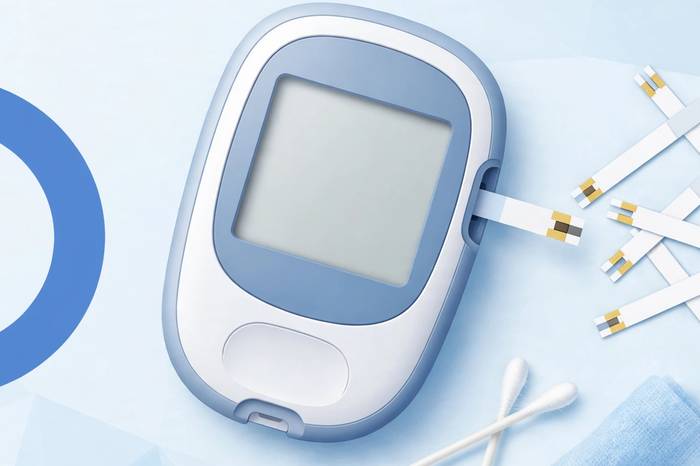
World Diabetes Day is observed every 14 November. It was created in 1991 by the International Diabetes Federation (IDF) and the World Health Organization (WHO), and became an official United Nations day in 2006.
The 2026–2027 campaign theme is "Early action on diabetes," launched by IDF for the two-year cycle leading up to 14 November 2026 and 2027. It follows the 2024–2026 theme, "Diabetes and well-being."
Diabetes now affects more than ...
Key Takeaways
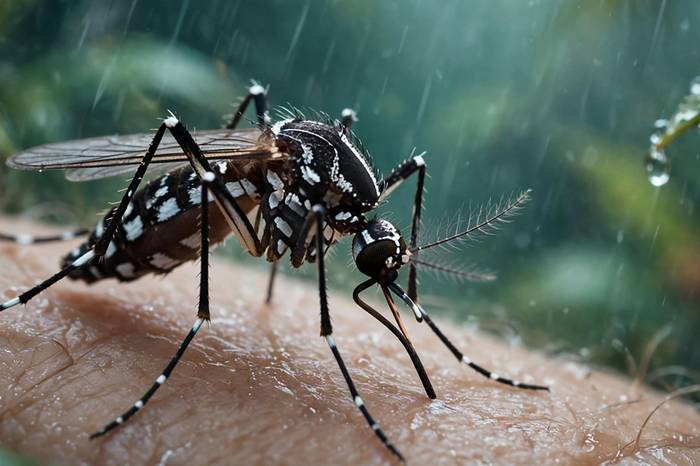
Dengue is a mosquito-borne viral disease spread by infected Aedes mosquitoes, which bite mainly during the day. It is not spread by ordinary person-to-person contact like a cold (World Health Organization, WHO).
Rain raises dengue risk because rain leaves standing water where Aedes mosquitoes breed — in flowerpot trays, buckets, bottles, tires, and other containers around the home (WHO; Taiwan Centers for Disease Control).
Dengue typically causes high fever plus at ...

Key Takeaways
Emotional eating means eating in response to feelings — such as stress, boredom, or sadness — rather than physical hunger, as described by Cleveland Clinic.
Common triggers include stress, boredom, tiredness, loneliness, habit, and overly strict food restriction.
Emotional hunger tends to arrive suddenly, crave a specific food, and continue past fullness; physical hunger builds gradually and is satisfied by eating.
Practical strategies include keeping a food-and-mood diary, pausing before eating, building ...

Key Takeaways
Holiday eating feels hard because of abundance, social pressure, and disrupted routines — not because of a lack of willpower.
Mindful eating helps: Harvard Health describes it as fully focusing on your food and your body's hunger and fullness cues, and suggests pacing a meal to about 20 minutes.
Portion strategies beat strict bans. Tasting everything in a smaller portion is usually more sustainable than skipping foods you enjoy.
Knowing what a ...

Key Takeaways
Acid reflux is stomach acid flowing back into the esophagus — heartburn, regurgitation, sour taste.
10 common triggers: large meals, lying down after eating, obesity, smoking, pregnancy, hiatal hernia, certain meds, tight clothing, stress, delayed emptying.
Fast relief: sit upright, loosen clothing, sip water, try an antacid — don't lie flat 2–3 hours after eating.
Sleep tip: elevate head of bed 6–8 inches, sleep on your left side.
See a doctor for: difficulty ...
Key Takeaways
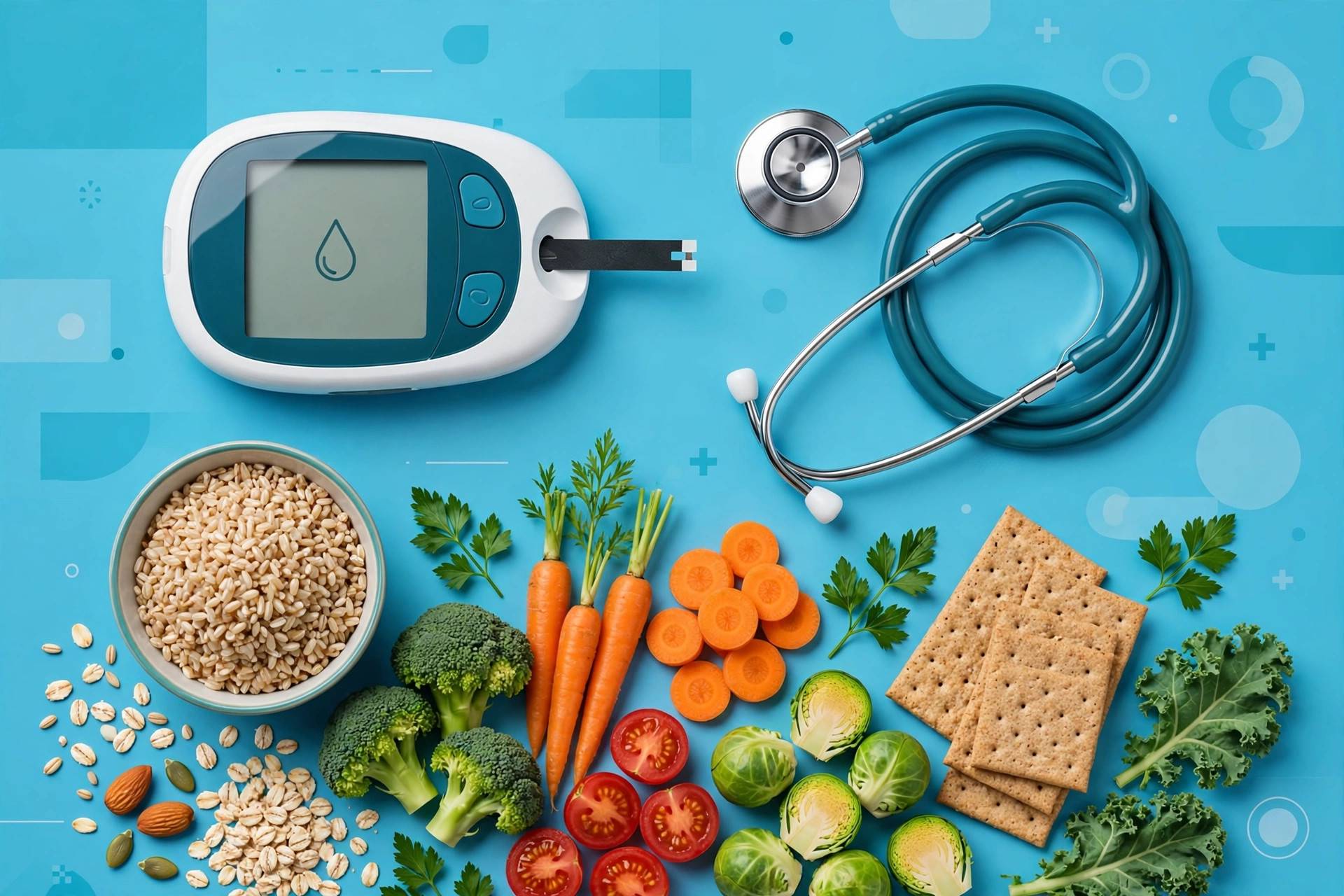
The most common early signs are excessive thirst, frequent urination, extreme hunger, unexplained fatigue, and blurred vision — often appearing together.
Type 1 symptoms come on fast (days–weeks); type 2 creeps in slowly for years.
Prediabetes often has no symptoms, but darkened skin patches can be a clue — and it is frequently reversible.
Signs differ by sex: women may notice recurrent yeast infections or UTIs; men may notice erectile difficulties.
Red flags ...