
Key Takeaways
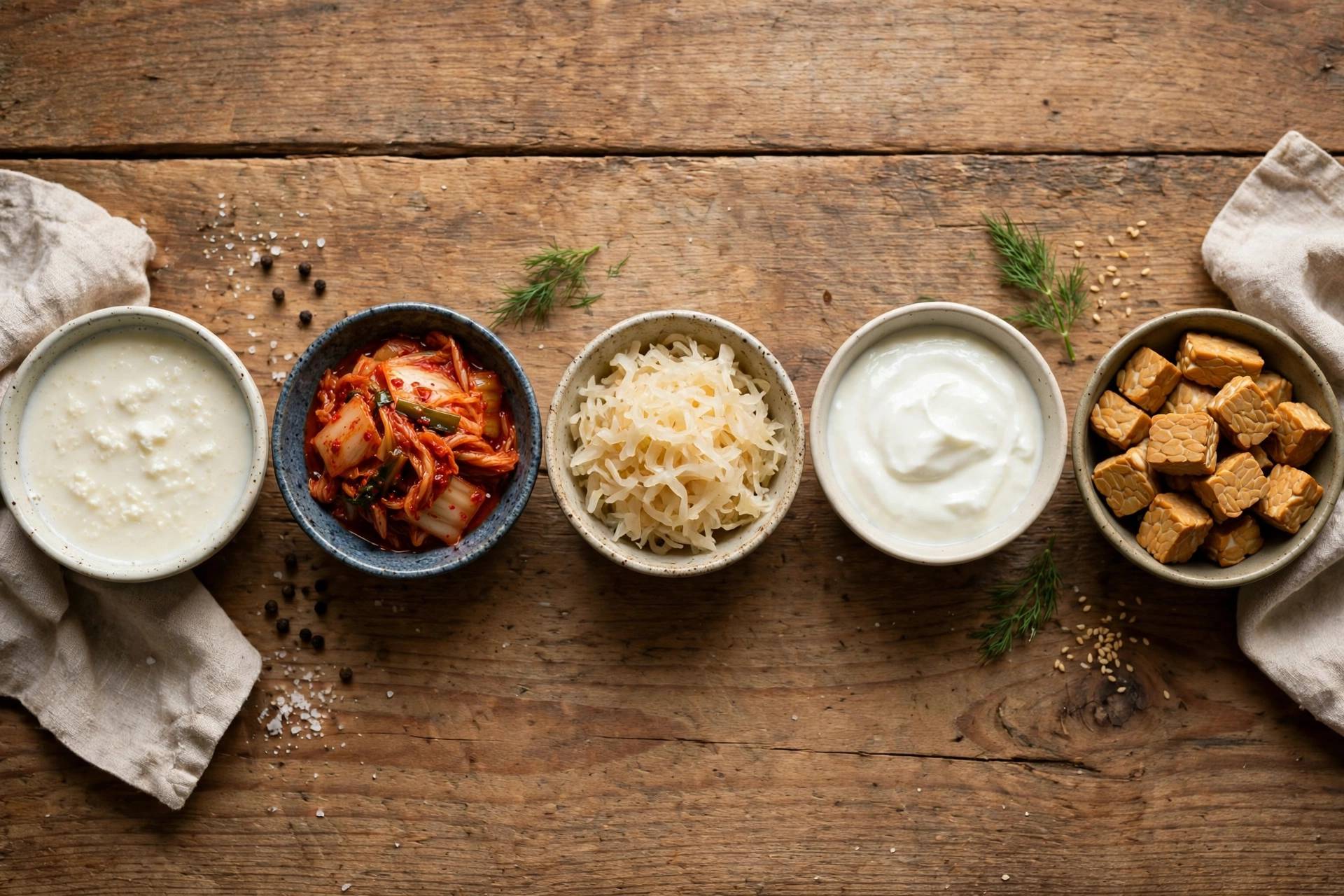
Fermented foods are made with the help of microorganisms, such as lactic acid bacteria and yeasts, which transform the food's flavour, texture, and nutrients.
Some fermented foods contain live microorganisms; research reviews link them with greater gut microbiome diversity and digestive support, though effects vary by food and strain.
Only unpasteurized, refrigerated versions usually still contain live cultures — shelf-stable or heat-treated versions generally do not.
Kefir, kimchi, sauerkraut, yogurt with live ...
Key Takeaways
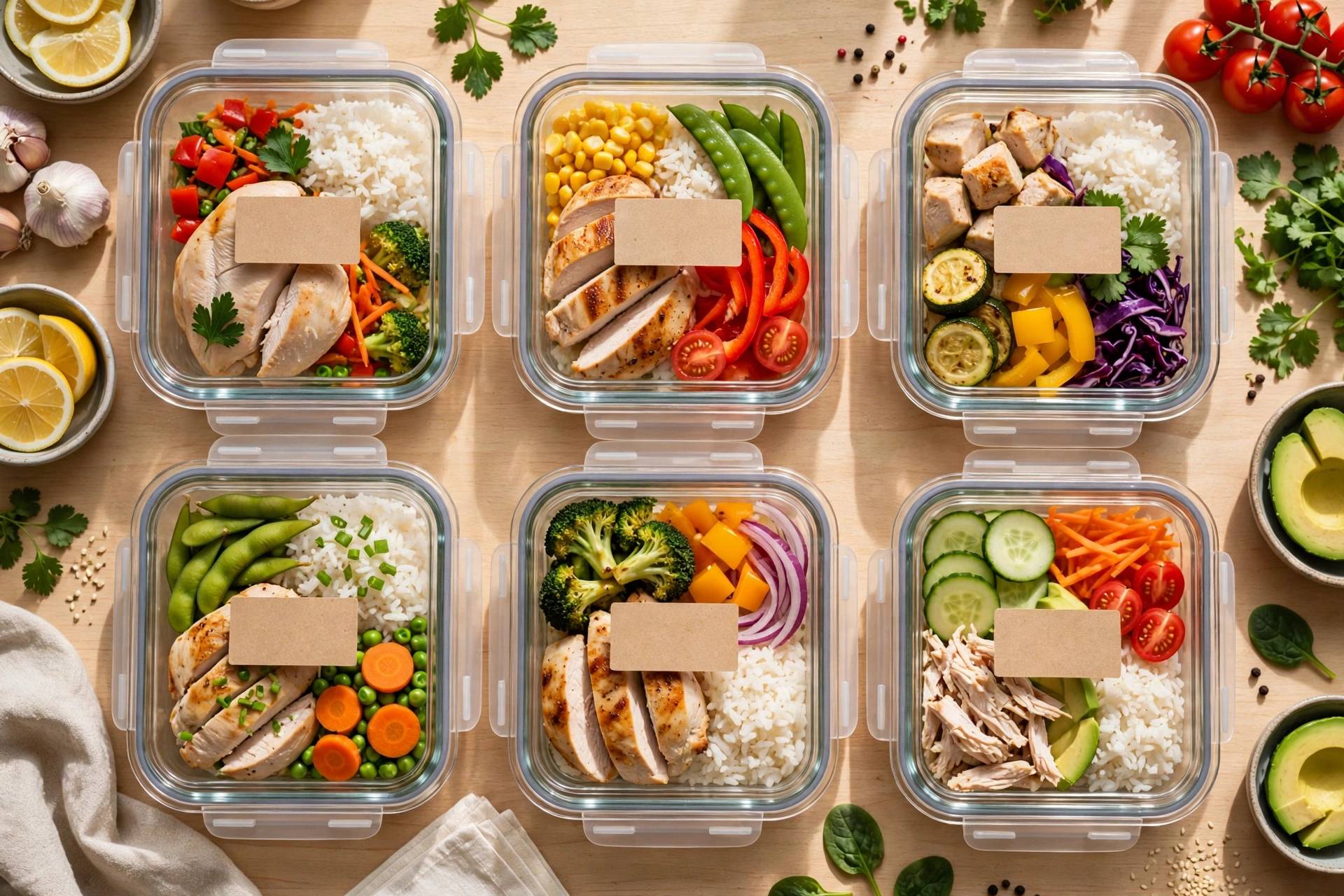
Meal prep works because it removes the daily decision: when a balanced meal is already waiting, the busy-weekday scramble gets much easier.
Food safety sets the schedule. According to the U.S. Department of Agriculture (USDA) Food Safety and Inspection Service (FSIS), most cooked leftovers keep for 3 to 4 days in the refrigerator at 40°F or below, so plan two shorter prep sessions per week rather than one giant one.
Build ...
Key Takeaways
The official Recommended Dietary Allowance (RDA) for protein is 0.8 grams per kilogram of body weight per day, set by the Food and Nutrition Board of the National Academies (Source: PubMed, National Library of Medicine, https://pubmed.ncbi.nlm.nih.gov/26630101/).
For a 70 kg (154 lb) adult, the RDA works out to roughly 56 grams of protein per day (Source: Harvard Health Publishing, https://www.health.harvard.edu/heart-health/practical-pointers-about-protein).
The RDA is designed to prevent deficiency in nearly all healthy ...
Key Takeaways
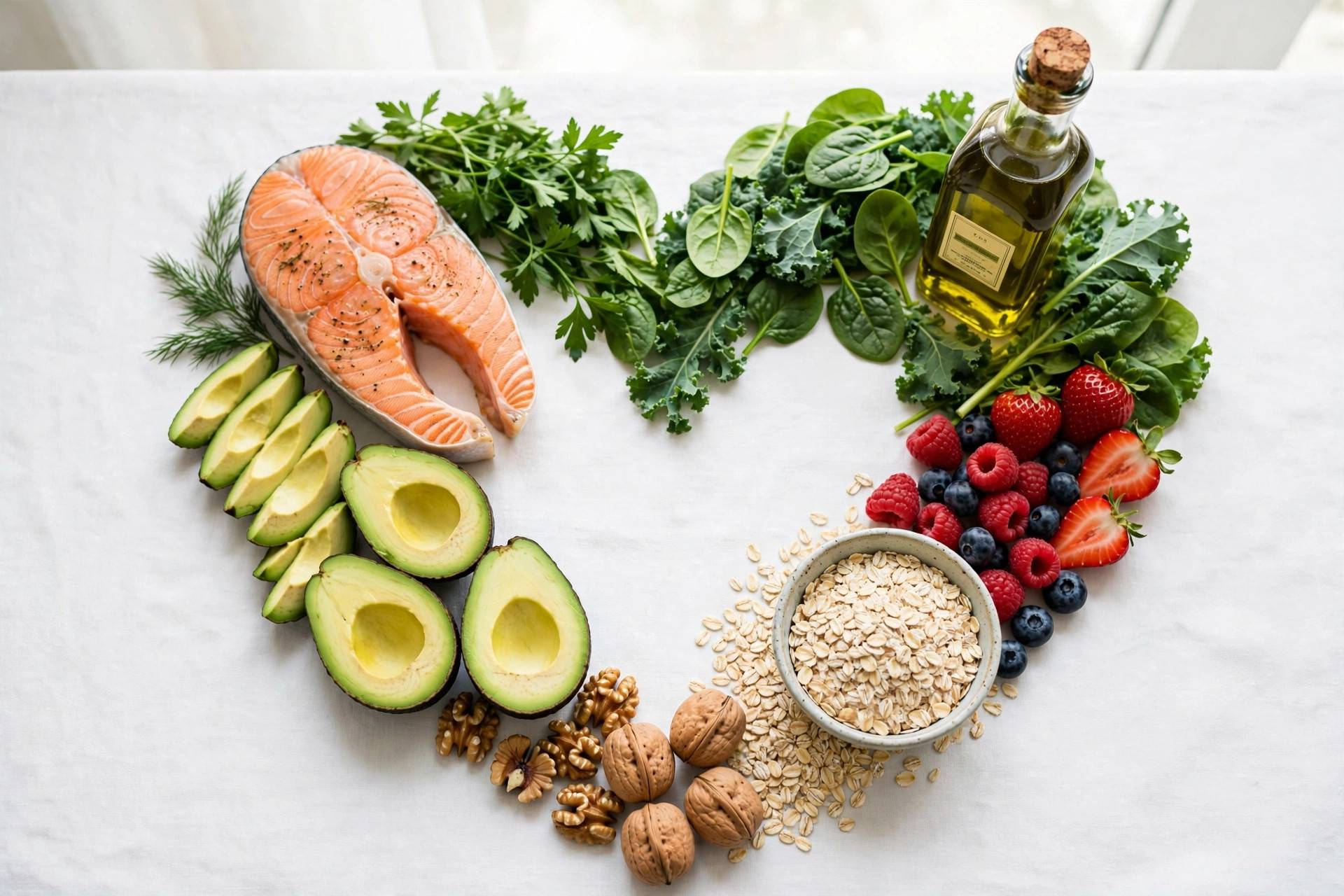
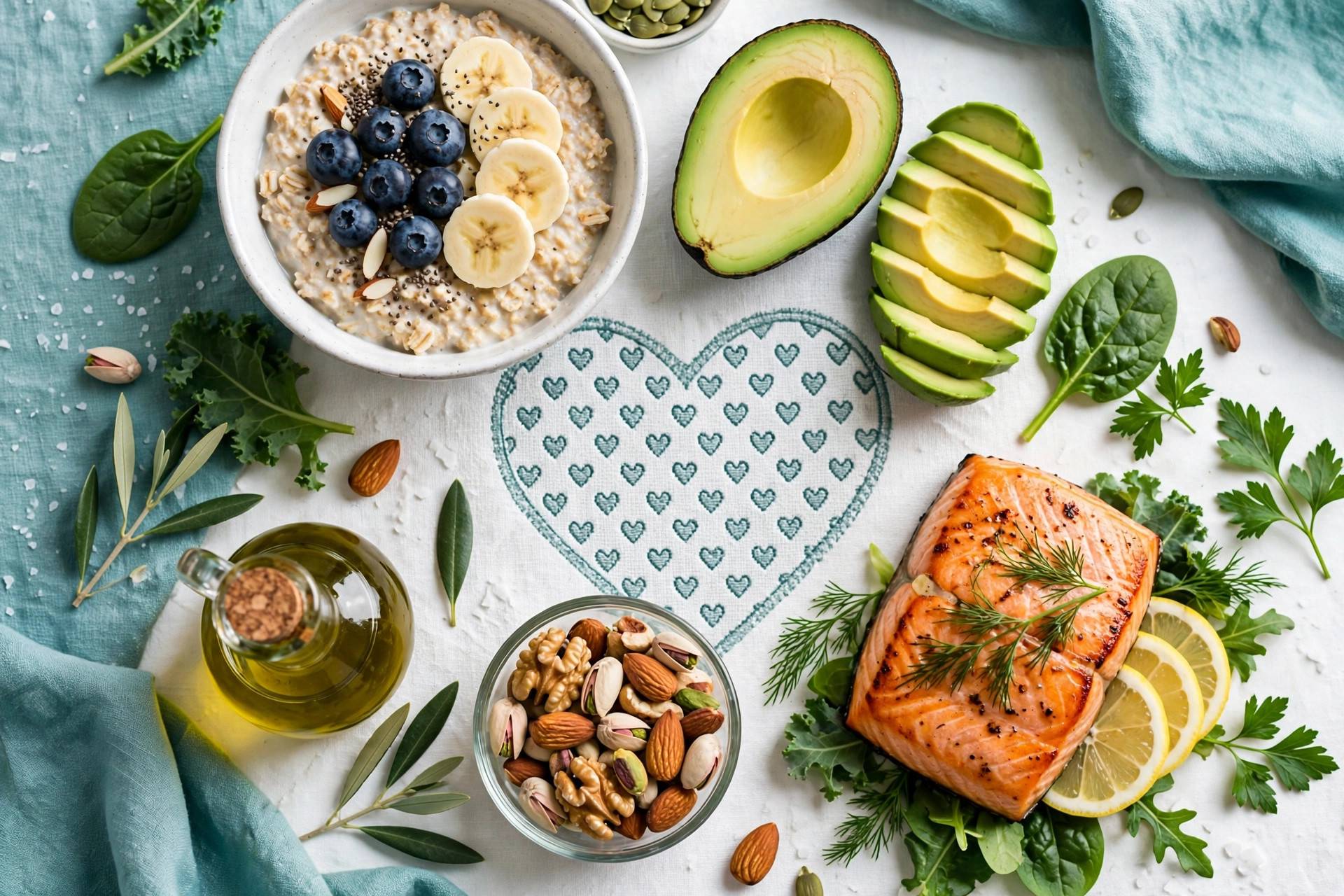
Fatty fish, oats, berries, leafy greens, olive oil, and beans top nearly every cardiologist's list.
Soluble fiber (oats, beans, lentils) helps
lower LDL cholesterol; omega-3s (salmon, walnuts, flaxseeds) support healthy triglycerides.The Mediterranean diet has the strongest research backing for heart health of any eating pattern.
Processed meats, sugary drinks, trans fats, and excess sodium are what cardiologists most warn against.
Small swaps matter more than perfection: olive oil instead of butter, oats ...
Key Takeaways
Diet and lifestyle can lower LDL by 10–20% — often enough to reach healthy range without medication.
Soluble fiber (oats, beans, apples) traps cholesterol in the gut — aim for it at every meal.
Healthy fats (olive oil, avocados, fatty fish) replace saturated fats that raise LDL.
Most people see measurable improvement in 6–12 weeks of consistent changes.
Never stop prescribed cholesterol medication without your doctor — natural approaches work alongside medical guidance.
Your ...
Key Takeaways
No food boosts immunity overnight — consistent nutrition matters.
Vitamin C, vitamin D, zinc, and protein have the strongest evidence.
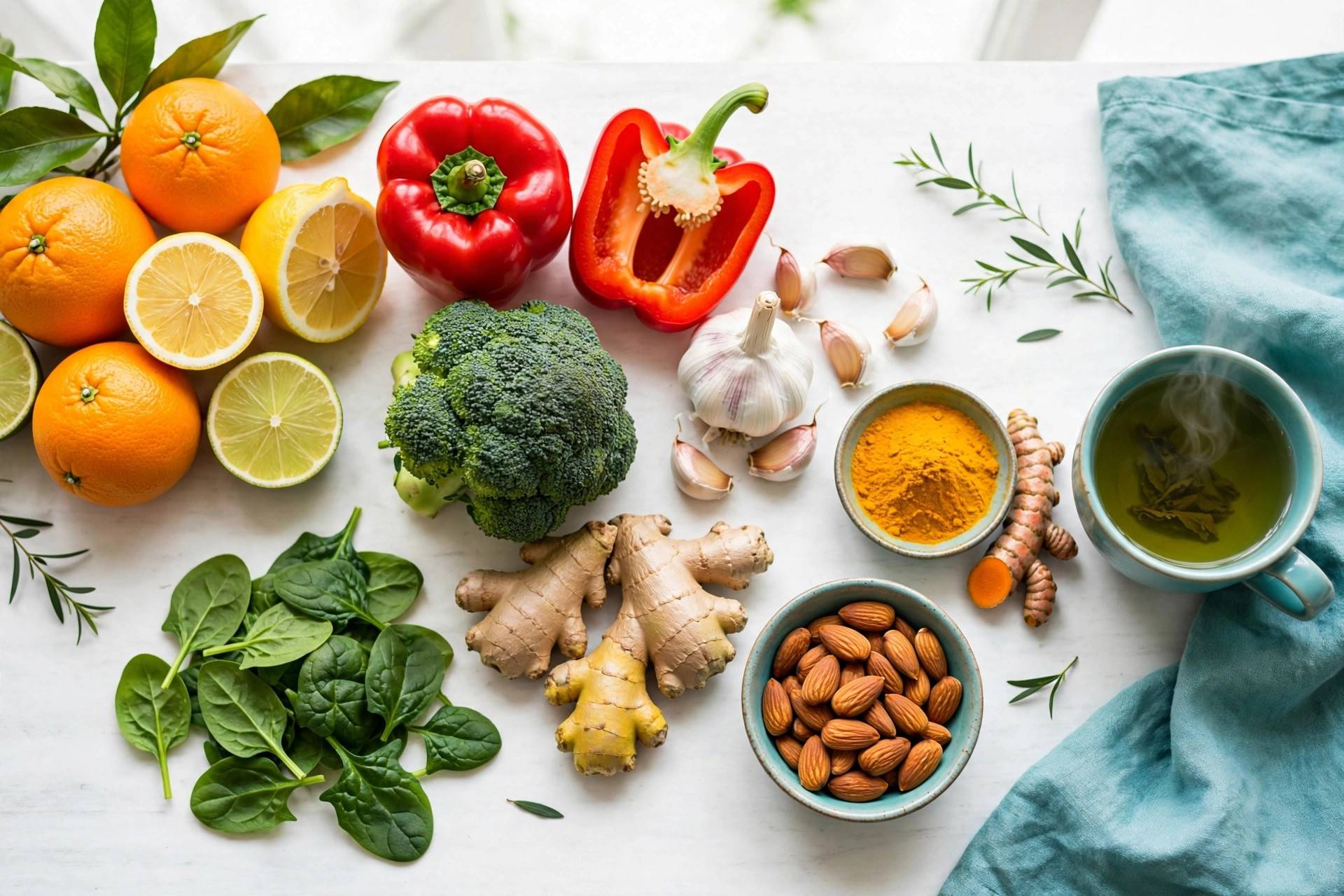
Citrus, red bell peppers, garlic, yogurt, and spinach cover most of your bases.
Sleep, stress, and sugar affect your immunity as much as food does.
Supplements help only when you’re deficient — food comes first.
Every winter the same thing happens — pharmacy shelves empty of “immunity” products. Truth: no food upgrades immunity overnight. ...
Key Takeaways
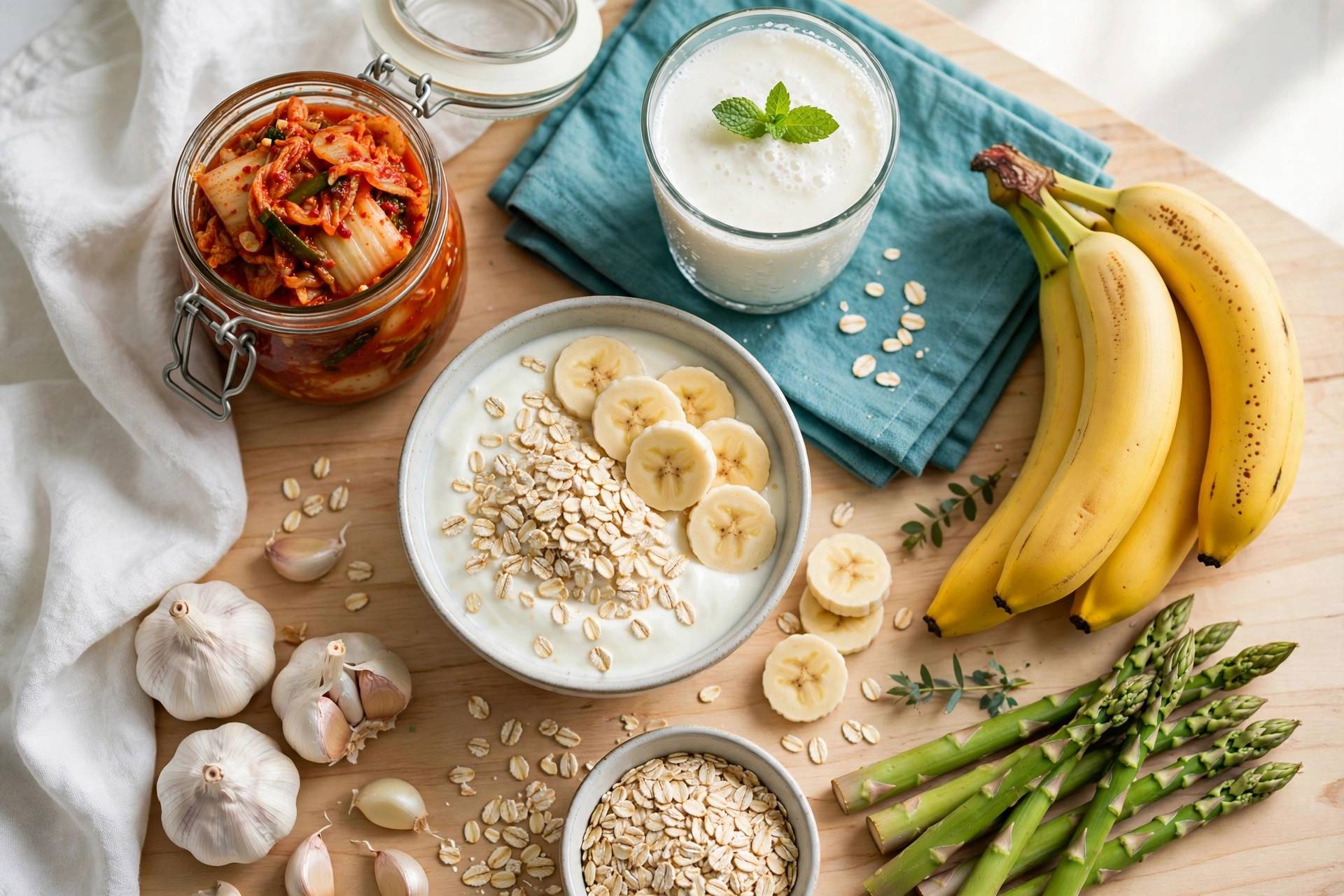
Probiotics are live beneficial bacteria found in fermented foods like yogurt, kefir, and kimchi.
Prebiotics are special fibers that feed those beneficial bacteria — found in garlic, onions, bananas, oats, and asparagus.
Think of it like a garden: probiotics are the seeds, prebiotics are the fertilizer.
You don't strictly need supplements — most people can get both from food.
Benefits are strain-specific: a probiotic that helps one condition may do nothing for another.
Walk ...
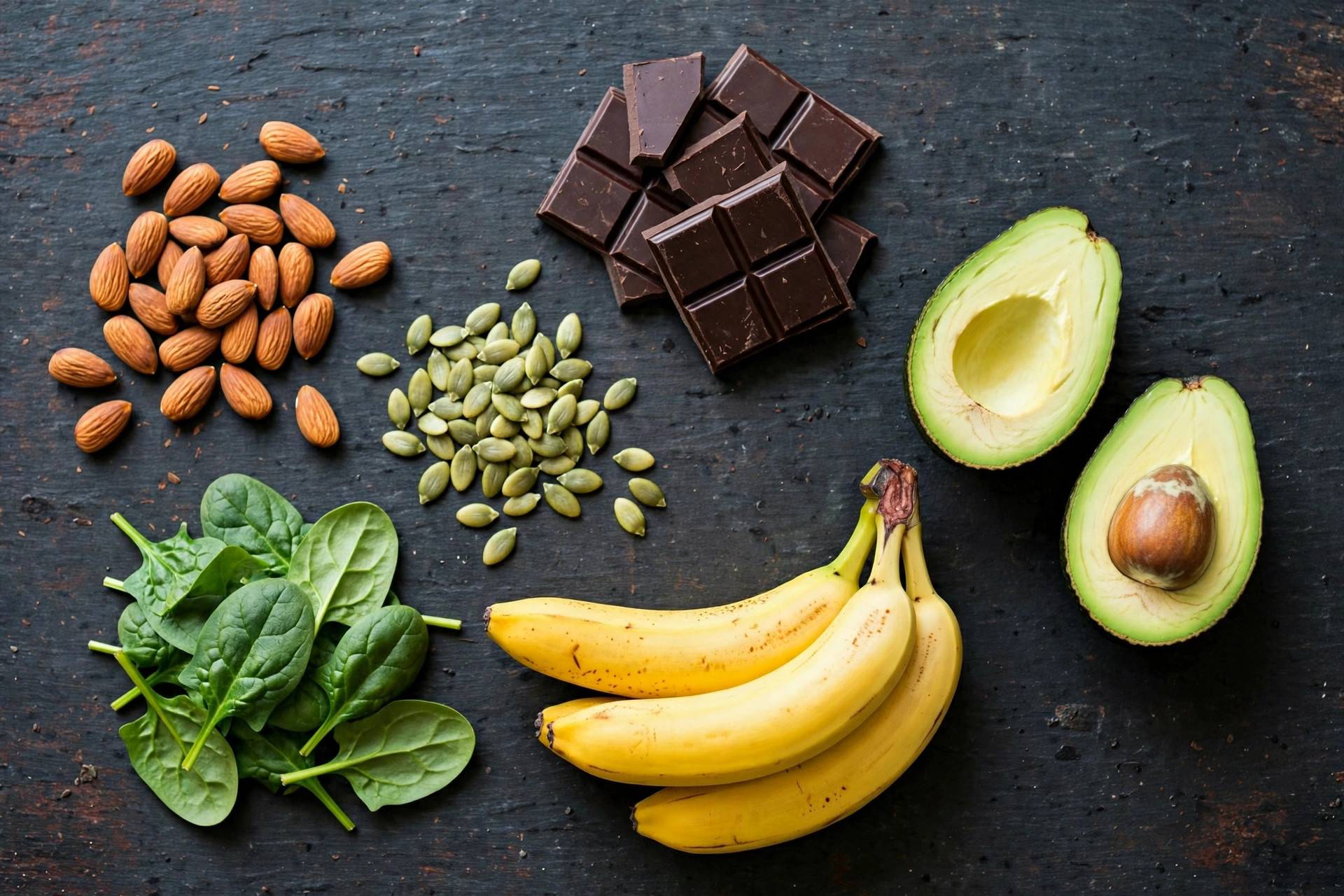
Magnesium is involved in more than 300 biochemical processes in your body — muscle function, nerve signaling, energy production, blood sugar control, even the quality of your sleep. Yet surveys suggest a large share of adults don't get enough. Here's what magnesium does, where to get it, how much you need, and the signs you might be running low.
Quick note: This article is for general information only and isn't medical ...
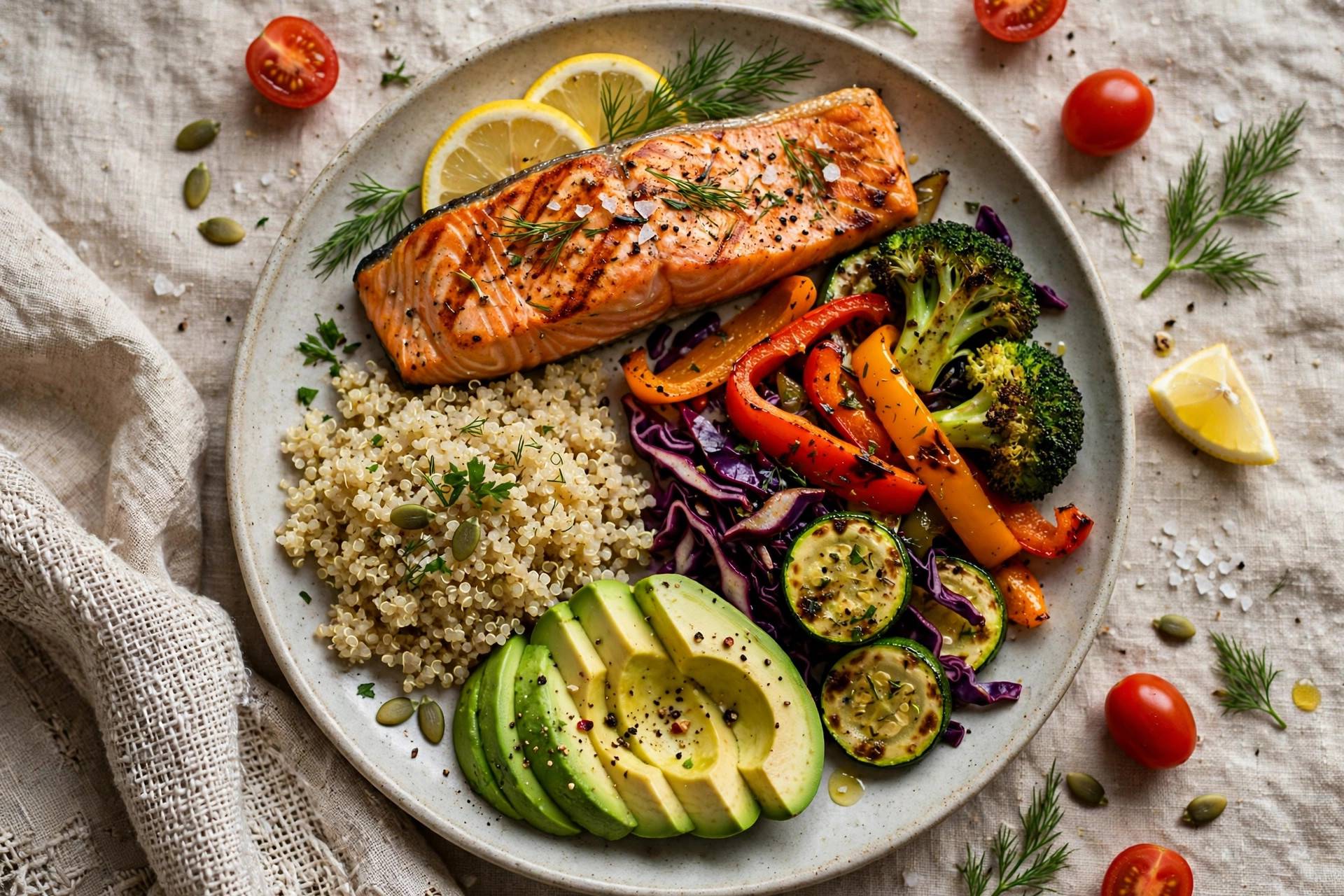
If you've been told you have type 2 diabetes — or you're in the prediabetes zone — the single most powerful lever you have is what's on your plate. Medication matters, but diet determines how hard your body has to work every single day. And the good news that surprises most people: a diabetes-friendly diet isn't about deprivation. It's about structure.
This guide covers how food affects blood sugar, the best ...

Vitamin D deficiency is one of the most common nutrient shortfalls in the world — and one of the sneakiest. You can be low for months or years without obvious symptoms, because the early signs (tiredness, low mood, achy bones) are easy to blame on stress, aging, or a busy life.
Here's the thing: vitamin D isn't just about bones. Receptors for it exist throughout the body — in immune cells, ...