
Dengue and Viral Fever in Rainy Season: How to Tell Them Apart and Protect Your Family
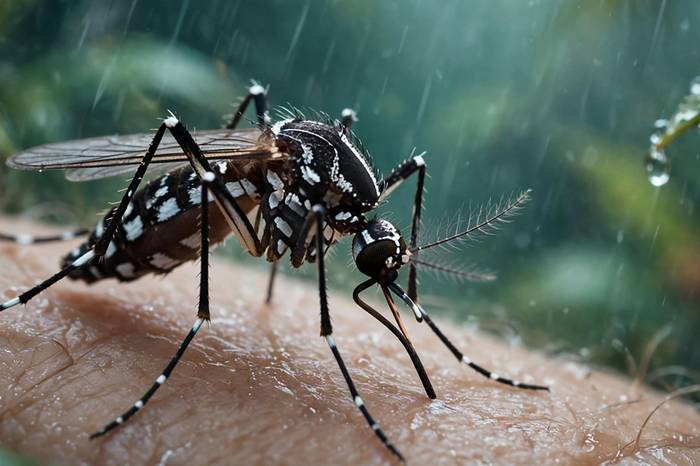
Key Takeaways
- Dengue is a mosquito-borne viral disease spread by infected Aedes mosquitoes, which bite mainly during the day. It is not spread by ordinary person-to-person contact like a cold (World Health Organization, WHO).
- Rain raises dengue risk because rain leaves standing water where Aedes mosquitoes breed — in flowerpot trays, buckets, bottles, tires, and other containers around the home (WHO; Taiwan Centers for Disease Control).
- Dengue typically causes high fever plus at least two of: severe headache, pain behind the eyes, nausea, vomiting, swollen glands, muscle and joint pains, and rash (WHO).
- Warning signs that need urgent medical care include severe abdominal pain, persistent vomiting, bleeding gums, blood in vomit, and rapid breathing (WHO).
- There is no specific antiviral treatment for dengue. Care focuses on fluids, rest, and medical monitoring, and the U.S. Centers for Disease Control and Prevention (CDC) advises acetaminophen for fever and pain while avoiding aspirin and ibuprofen because of bleeding risk.
- Prevention has two tracks: remove breeding sites (cover, empty, and scrub water containers) and avoid bites (screens, repellents, nets, and light-colored clothing that covers arms and legs) (WHO).
Why the Rains Bring More Than Wet Shoes
When the rainy season arrives, puddles and water-filled containers multiply around homes — and so do mosquitoes. Taiwan's Centers for Disease Control has warned that rainy-season rainfall and warmer temperatures accelerate mosquito breeding, and it urges residents to remove standing water around their homes to reduce community transmission risk.
Dengue is the disease most closely tied to this pattern. The World Health Organization notes that the rainy season, particularly the months when rain is heaviest, is typically associated with dengue cases, because Aedes mosquitoes breed in stagnant water left behind by rain.
At the same time, ordinary viral fevers also circulate in wet months: colds, flu, and other common viral infections that cause fever, headache, and body aches. Because dengue and a common viral fever can look alike in the first days, knowing the differences — and the warning signs that set dengue apart — helps you act early instead of guessing.
This article is general health information only. It does not diagnose, and it is not a substitute for medical advice. If you or someone in your household develops a high fever or any warning sign described below, seek medical care promptly.
What Dengue Is
Dengue is a viral disease transmitted between humans by Aedes mosquitoes, according to WHO. When an infected mosquito bites, it can pass the dengue virus into the bloodstream. Dengue is not passed from person to person through coughing, sneezing, or ordinary contact the way a cold or flu is — it takes a mosquito bite.
There are four serotypes of the dengue virus, known as DENV-1, DENV-2, DENV-3, and DENV-4. WHO explains that recovery from infection by one serotype provides lifelong immunity against that particular serotype, but only partial and temporary protection against the other three. A later infection with a different serotype carries a higher risk of developing severe dengue, which is why a second dengue illness deserves extra caution.
Most dengue infections cause a flu-like illness. Occasionally, the disease develops into severe dengue, a potentially lethal complication. WHO notes that severe dengue is a leading cause of hospitalization and death among children in some Asian and Latin American countries, and that early detection plus access to proper medical care can bring the case-fatality rate below 1 percent. There is no specific antiviral treatment for dengue itself.
Dengue Symptoms: What to Watch For
According to WHO, dengue fever normally causes high fever of around 40°C (104°F) together with at least two of the following symptoms:
- Severe headache
- Pain behind the eyes
- Nausea and vomiting
- Swollen glands
- Muscle and joint pains
- Rash
Symptoms usually begin a few days after the bite, and many people describe the muscle and joint pain as intense — dengue has historically been nicknamed "breakbone fever" for this reason. A rash may appear after a few days of fever.
The critical phase often arrives as the fever starts to fall, not while it is at its peak. That is when warning signs of severe dengue can appear, which is why monitoring matters even when someone seems to be improving.
Viral Fever: The Umbrella Term
"Viral fever" is a general term for a fever caused by a viral infection. It covers many common illnesses — including colds and influenza — whose symptoms overlap heavily with early dengue: fever, headache, muscle aches, fatigue, and sometimes a sore throat, cough, or runny nose.
The practical difference is the source and the trajectory. A common viral fever is usually transmitted person to person through respiratory droplets and close contact, and it typically resolves with rest and fluids over several days. Dengue comes from a mosquito bite, tends to produce higher fever with severe headache, eye pain, and pronounced muscle and joint pain, and can progress to severe disease with bleeding and fluid leakage.
No symptom list can diagnose either condition at home. Only a medical assessment — and, where available, laboratory testing such as NS1 antigen or antibody tests selected according to the day of illness — can confirm dengue. Treat the comparison below as a guide to when a fever deserves faster medical attention, not as a diagnosis.
Dengue vs. Common Viral Fever at a Glance
| Dengue | Common viral fever | |
|---|---|---|
| Cause | Dengue virus, one of four serotypes (WHO) | Various viruses, including cold and flu viruses |
| How it spreads | Bite of an infected Aedes mosquito (WHO) | Person-to-person droplets and close contact |
| Typical fever | High, around 40°C / 104°F (WHO) | Usually lower, varies by virus |
| Hallmark symptoms | Severe headache, pain behind the eyes, muscle and joint pains, rash (WHO) | Sore throat, cough, runny nose, general aches |
| Danger period | Warning signs may appear as fever subsides | Usually improves steadily after a few days |
| Key action | Watch for warning signs; seek care early | Rest, fluids, and monitoring |
Warning Signs That Need Urgent Care
WHO lists the following symptoms of severe dengue. If any of them appear, seek medical advice immediately:
- Severe abdominal pain
- Persistent vomiting
- Bleeding gums
- Blood in vomit
- Rapid breathing
- Fluid accumulation, lethargy, or restlessness
Other red flags clinicians watch for include black stools, fainting, and difficulty breathing. Children, pregnant women, older adults, and people with chronic illness should be assessed early even when symptoms seem mild, because severe dengue can develop quickly in these groups.
One medication caution is widely repeated in dengue guidance: the CDC advises acetaminophen for fever and pain and recommends avoiding aspirin and ibuprofen when dengue is suspected, because of bleeding risk. Do not start or change any medication without checking with a healthcare professional, especially for children.
What Helps While Recovering
Because there is no specific antiviral for dengue, care is supportive: adequate fluid intake, rest, and medical monitoring to catch complications early. Keep a simple daily record of temperature, fluid intake, and any new symptom, and make sure a sick person is protected from further mosquito bites — WHO advises keeping patients with dengue under a bed net, so mosquitoes cannot pick up the virus from them and spread it to others in the household.
Most people recover fully with supportive care. The reason clinicians emphasize monitoring is timing: complications tend to appear during the critical phase as fever falls, so "the fever broke" is not, by itself, a signal to stop watching.
Prevention Part 1: Remove Breeding Sites
Aedes mosquitoes breed in stagnant, clean water — not dirty drains. WHO lists the usual culprits: old tires, bottles, pots, broken appliances, plastic containers, plant pot plates, air cooler units, and the tray under the fridge. Taiwan's CDC adds flowerpot trays, buckets, tarps, and used tires, and advises residents to inspect their surroundings regularly, remove unused containers, turn over water-holding items, and scrub containers clean so mosquito eggs do not remain.
A weekly routine that follows WHO guidance:
- Cover water storage tanks, jars, and buckets with tight lids or mesh screens.
- Empty and scrub any container that holds water — including pet bowls, vases, and pot trays — and change the water at least twice a week. Scrubbing matters because mosquito eggs cling to container walls.
- Dispose of unused items that can collect rainwater: old bottles, cans, broken appliances, and tires.
- Clear gutters, drains, and air cooler units so water does not sit in them.
- Loosen the soil in potted plants so water does not pool on hardened surfaces, and skip plant pot plates where possible.
Community effort multiplies the effect: a single unchecked construction site or discarded tire can breed mosquitoes for a whole street, which is why WHO highlights community action at construction sites and in neighborhoods.
Prevention Part 2: Avoid Bites
Aedes mosquitoes bite mainly during the day, especially in the early morning and late afternoon, according to WHO. That daytime habit is one reason bed nets alone are not enough. WHO's bite-prevention guidance includes:
- Wear light-colored clothing that covers arms and legs.
- Use window screens and door screens, and repair tears promptly.
- Use insect repellents as directed on the label; Taiwan's CDC notes repellents containing DEET, picaridin, or IR3535.
- Use insecticide-treated bed nets, coils, or vaporizers, including for daytime naps.
- Keep someone ill with dengue under a bed net at all times.
Three Myths Worth Dropping
"Mosquitoes only bite at night." False for dengue. Aedes mosquitoes bite throughout the day, with peaks in the early morning and late afternoon (WHO). Daytime protection matters as much as nighttime protection.
"They breed in dirty water, so my clean pots are safe." Backwards. Aedes prefers clean, stagnant water — the water in a flowerpot tray or a stored bucket is ideal (WHO). Clean-looking containers deserve the same attention as obvious waste.
"I already had dengue, so I am immune." Only partly true. Immunity after infection is lifelong for that one serotype, but only partial and temporary against the other three, and a second infection with a different serotype increases the risk of severe dengue (WHO). Previous dengue is a reason for more vigilance, not less.
A Simple Rainy-Season Checklist
- Once a week, walk your home and yard: empty, scrub, or cover every water container.
- After heavy rain, repeat the check — new breeding sites appear overnight.
- Keep screens intact and repellent on hand before the rains peak.
- If fever appears, note the day it started, track symptoms, and watch for warning signs as fever falls.
- Seek care early for high fever, and urgently for any warning sign.
Rainy season does not have to mean dengue season in your home. The mosquito that carries dengue breeds in containers you can see and remove, and bites at hours you can plan around. A weekly ten-minute check, plus knowing the warning signs, is the most practical protection available — no special equipment required.
This article is for general information only and does not provide medical advice, diagnosis, or treatment. If you have symptoms or health concerns, consult a qualified healthcare professional.
Sources
- World Health Organization, Eastern Mediterranean Regional Office — Dengue (health topic page): https://www.emro.who.int/health-topics/dengue/
- World Health Organization — "Dengue: a mosquito-borne disease": https://www.who.int/bangladesh/news/detail/28-05-2018-dengue-a-mosquito-borne-disease
- World Health Organization — "Dengue fever: fight the bite": https://www.who.int/bangladesh/news/detail/17-07-2016-dengue-fever-fight-the-bite
- Taiwan Centers for Disease Control — rainy-season dengue advisories on removing standing water and repellent guidance (via Taiwan Immigrants' Global News Network and Taiwan CDC bulletins).
- U.S. Centers for Disease Control and Prevention dengue guidance, as reported in current dengue coverage (acetaminophen use; avoiding aspirin and ibuprofen because of bleeding risk).