
Healthy Aging: 15 Habits to Stay Strong After 60
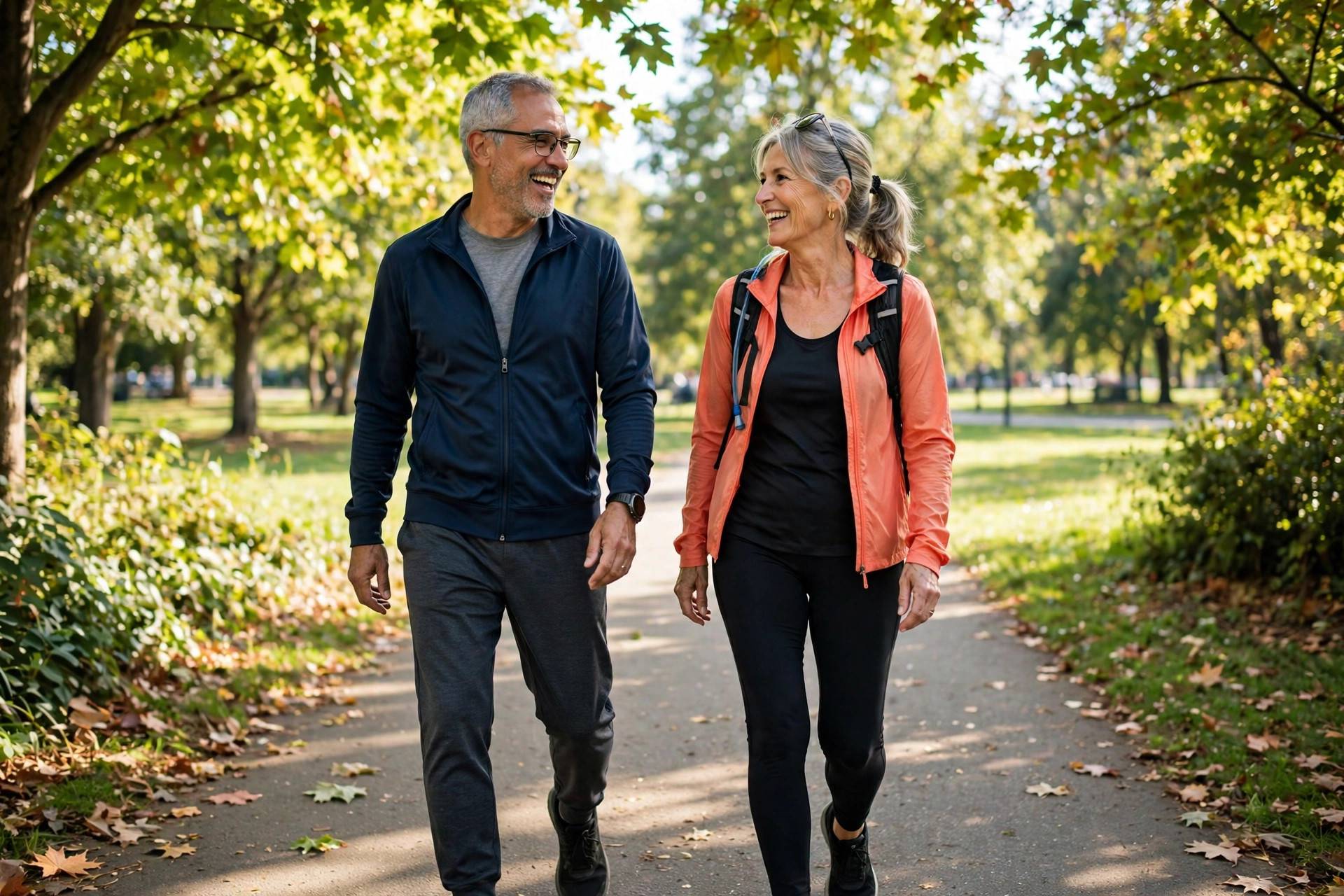
There's a myth that getting older means inevitable decline — weaker body, foggier mind, less independence. The truth is less dramatic and much more encouraging: how you age is shaped enormously by daily habits. Genetics plays a role, but researchers who study the world's longest-lived populations keep finding the same thing: it's the boring, repeatable stuff — how you move, eat, sleep, and connect — that separates a vibrant 80 from a frail one.
This guide covers 15 healthy aging habits backed by real evidence. None of them require expensive supplements or extreme routines. They're practical things you can start this week.
Quick note: This article is for general information only and isn't medical advice. If you have a chronic condition or take medication, check with your doctor before starting a new exercise routine or making big dietary changes.
1. Lift something heavy (for you) twice a week
After age 30, adults can lose 3–8% of muscle mass per decade, and the rate speeds up after 60. This process, called sarcopenia, is one of the biggest drivers of frailty — it makes stairs harder, falls more likely, and recovery from illness slower.
The fix is resistance training. You don't need a gym membership: bodyweight squats, wall push-ups, resistance bands, and light dumbbells all count. Guidelines from exercise physiologists generally recommend strength work for all major muscle groups at least twice a week. Start light, focus on form, and progress gradually.
2. Walk like it matters — because it does
Walking is the most underrated longevity exercise. Brisk walking most days supports heart health, blood sugar control, mood, and even cognitive function. Health authorities commonly recommend around 150 minutes of moderate activity per week for older adults — that breaks down to about 20–30 minutes a day.
If 30 minutes feels like a lot, start with 10. Short walks after meals are especially useful: they help blunt post-meal blood sugar spikes, which matters more as we age.
3. Protect your balance
Falls are one of the leading causes of injury in older adults, and balance declines quietly with age. The good news: balance is trainable at any age. Simple practices like standing on one foot while brushing your teeth, heel-to-toe walking, or tai chi can meaningfully improve stability. Tai chi in particular has a strong evidence base for fall prevention in older adults.
4. Eat enough protein
Older adults need more protein than younger people, not less — yet many eat less of it. Protein supports muscle maintenance, bone health, and immune function. A practical target often cited by nutrition researchers is roughly 1.0–1.2 grams per kilogram of body weight per day for healthy older adults, spread across meals (your body uses protein more efficiently in ~25–30g portions).
Good sources: eggs, fish, poultry, Greek yogurt, lentils, beans, tofu, and nuts.
5. Fill half your plate with plants
Vegetables, fruits, legumes, and whole grains deliver fiber, potassium, magnesium, and antioxidants — nutrients tied to lower rates of heart disease, diabetes, and cognitive decline. The Mediterranean and DASH eating patterns, both plant-forward, are among the most studied diets for healthy aging. You don't need to follow them perfectly; shifting the balance of your plate is what counts.
For specifics on heart-protective eating, see our guide to heart-healthy foods.
6. Don't skimp on calcium and vitamin D
Bone loss accelerates with age, especially after menopause. Calcium and vitamin D work as a team: calcium builds bone, vitamin D helps your body absorb it. Dairy, fortified plant milks, leafy greens, and small fish with bones (like sardines) cover calcium; vitamin D comes mainly from sun exposure and fatty fish, and many older adults run low.
Our deep dive on osteoporosis signs, causes, and prevention covers bone health in detail, and if you suspect you're low, read about vitamin D deficiency symptoms to know what to watch for.
7. Stay hydrated (your thirst signal fades with age)
The sensation of thirst becomes less reliable as we age, which means dehydration can sneak up. Even mild dehydration affects energy, digestion, and thinking. Keep water visible and drinkable through the day — a glass with each meal plus a few in between is a simple system. Pale-yellow urine is a decent rough gauge that you're drinking enough.
8. Prioritize sleep like a prescription
Poor sleep in older adults is linked to weaker immunity, worse blood sugar control, and faster cognitive decline. Aim for 7–8 hours. The fundamentals still apply: consistent bedtime, a cool dark room, morning daylight, and less caffeine after noon. If you snore loudly or gasp awake, mention it to your doctor — sleep apnea is common and treatable, and it masquerades as "just getting old."
9. Keep your brain challenged
Cognitive decline isn't inevitable either. Activities that demand new learning — a language, an instrument, a complex hobby — appear more protective than passive ones like rewatching familiar shows. Social forms of mental exercise (discussion groups, card games with friends, volunteering) pull double duty by also fighting loneliness.
10. Stay socially connected
Loneliness carries health risks comparable to well-known risk factors — it's associated with higher rates of heart disease, depression, and cognitive decline in study after study. This isn't about having hundreds of friends. Regular, meaningful contact — a weekly call with family, a walking group, volunteering, a faith community — is what the research points to.
11. Manage blood pressure
High blood pressure is called the silent killer because it usually has no symptoms while quietly damaging arteries, heart, kidneys, and brain. After 60, monitoring it matters more, not less. Home blood pressure cuffs are inexpensive and accurate enough for tracking trends. Diet (less sodium, more potassium from produce), regular movement, limited alcohol, and not smoking are the big levers — covered in our guide on how to lower blood pressure naturally.
12. Keep up with screenings
Preventive care shifts with age: blood pressure checks, cholesterol panels, diabetes screening, bone density scans, colonoscopies, eye exams, hearing tests, and skin checks all have age-based schedules. Catching things early is the whole point — treatment is simpler and outcomes better. If you're not sure what's due, our guide to medical checkups by age lays out a practical timeline.
13. Protect your hearing and vision
Untreated hearing loss is strongly linked to faster cognitive decline and social withdrawal — yet it's one of the most undertreated conditions in older adults. Get your hearing tested, and if aids are recommended, actually wear them. Same with vision: annual eye exams catch cataracts, glaucoma, and macular degeneration early, when they're most treatable.
14. Limit alcohol and don't smoke
Alcohol affects older bodies more strongly: slower metabolism, more medication interactions, worse sleep, higher fall risk. If you drink, less is better — and if you don't, there's no health reason to start. Smoking remains one of the single biggest accelerators of aging; quitting helps at any age, with circulation and lung function improving within weeks to months.
15. Have a reason to get up
The world's longest-lived communities share something researchers call a sense of purpose — a reason to get out of bed. It doesn't have to be grand: gardening, grandkids, mentoring, a project, a pet. Purpose is correlated with lower mortality and better mental health in longitudinal studies. Cultivate it deliberately.
Putting it together: the 80/20 of healthy aging
If 15 habits feel overwhelming, start with the highest-leverage five: move daily, lift twice a week, eat mostly plants with enough protein, sleep 7–8 hours, and stay connected to people. Those five cover the majority of the benefit. Add the rest over time.
Aging well isn't about fighting your age — it's about giving your body and mind the conditions they need to keep working well. Start with one habit this week.
Frequently asked questions
What's the single most important habit for healthy aging? If forced to pick one, regular physical activity — including both aerobic movement and strength training — has the broadest evidence base, affecting heart, bones, brain, mood, and independence simultaneously.
Is it too late to start exercising after 60? No. Studies consistently show older adults — even in their 70s, 80s, and beyond — gain strength, balance, and cardiovascular fitness from starting exercise. Begin gently and progress gradually, ideally with medical clearance if you have chronic conditions.
How much protein do older adults need? Many nutrition researchers suggest around 1.0–1.2 g per kg of body weight daily for healthy older adults — higher than the general adult RDA — spread across meals to maximize muscle maintenance.
Does brain training prevent dementia? No activity guarantees prevention, but cognitively stimulating activities — especially novel learning and social engagement — are associated with slower cognitive decline and greater cognitive reserve in observational research.