
How to Boost Your Immune System During Rainy Season
Key Takeaways
- No single food, pill, or habit can "supercharge" immunity overnight. A resilient immune system is built from consistent basics: sleep, nutrition, movement, and stress management (Harvard T.H. Chan School of Public Health).
- Rainy seasons raise infection risk through a combination of factors: people crowd indoors, humidity helps some viruses linger, and reduced sunlight can lower vitamin D levels.
- Aim for 7–9 hours of sleep, since chronic sleep loss measurably weakens immune response — people who sleep less than 6 hours a night are more likely to catch a cold when exposed to the virus (Sleep Foundation; Carnegie Mellon research).
- Protein, vitamin C, vitamin D, and zinc all play documented roles in immune function. A varied diet beats any single "immune booster" product.
- Handwashing remains one of the most effective and cheapest infection-prevention tools available (U.S. Centers for Disease Control and Prevention, CDC).
- See a doctor if you develop a high fever, difficulty breathing, or symptoms that worsen instead of improving after a few days.
Why Rainy Season Tests Your Immunity
When the rains come, daily life moves indoors. Commutes get crowded, classrooms and offices fill with recirculated air, and wet clothes stay damp for hours. Each of these small shifts gives respiratory viruses more chances to spread from person to person.
Humidity itself plays a role too. Research on influenza has shown that cold, dry air favors flu transmission — but in tropical rainy seasons, the bigger drivers are behavioral: close indoor contact, shared surfaces, and the general run-down feeling that comes from weeks of grey skies and disrupted routines.
There is also the sunlight factor. Your skin produces vitamin D when exposed to sunlight, and vitamin D supports immune function. During long stretches of overcast rainy weather, many people get far less sun than usual. Low vitamin D status has been associated with higher susceptibility to respiratory infections, which is one reason the rainy months are a good time to pay attention to it.
None of this means getting sick is inevitable. It means the season rewards people who cover the fundamentals consistently. Here is what actually moves the needle.
Sleep: The Immune System's Night Shift
If you change only one thing this rainy season, make it sleep. During deep sleep, the body releases cytokines — proteins that help fight infection and inflammation. Cut sleep short night after night, and that nightly maintenance gets skipped.
The often-cited Carnegie Mellon study found that participants who averaged less than 7 hours of sleep were nearly three times more likely to develop a cold after exposure to the rhinovirus than those who slept 8 hours or more. The Sleep Foundation currently recommends 7–9 hours per night for most adults.
Rainy weather can actually help here: cooler temperatures and the sound of rain make bedrooms naturally sleep-friendly. Keep the room dark, cool, and quiet, and try to keep the same bedtime even on weekends. If falling asleep is your struggle, our guide on how to sleep better walks through a full evening routine.
Eat for Immunity: What the Evidence Supports
Forget the idea of a single miracle food. Immune cells are built and fueled by the same nutrients the rest of your body needs — which is why crash diets and skipped meals are especially unhelpful in flu season.
Protein. Antibodies are proteins, and immune cells multiply rapidly when fighting infection — both processes demand amino acids. Most adults do well with roughly 0.8 grams of protein per kilogram of body weight daily, more if active. Eggs, fish, chicken, tempeh, tofu, and legumes are all solid sources. If you are unsure how much you are getting, see our breakdown of how much protein you really need per day.
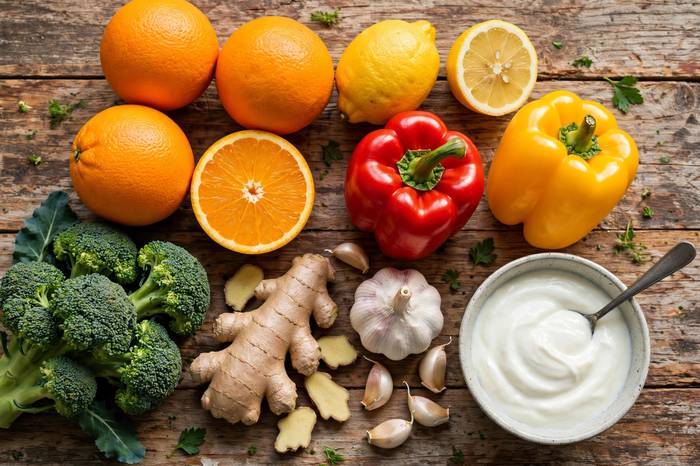
Vitamin C. It supports various immune cell functions, and while megadoses will not prevent colds in the general population, regular adequate intake matters — and deficiency impairs immunity. Citrus fruits, guava, bell peppers, and broccoli are excellent sources.
Vitamin D. As noted above, rainy months mean less sun. Fatty fish, egg yolks, and fortified foods help; some people need a supplement in prolonged low-sun periods — worth discussing with a doctor or pharmacist rather than guessing the dose.
Zinc. This mineral is involved in immune cell development and signaling. Meat, shellfish, chickpeas, lentils, nuts, and seeds provide it. Short-term zinc lozenges at the very start of a cold have modest evidence for shortening duration, but they are not a daily strategy.
Fermented foods. A growing body of research links gut health to immune function — a large share of immune tissue sits in and around the gut. Yogurt, kefir, kimchi, and tempeh introduce beneficial microbes. Our article on fermented foods and gut health goes deeper on which ones are worth your time.
One honest note: "immune booster" supplements are a lightly regulated market. A basic diet covering the nutrients above does more than most pills, and expensive blends rarely have evidence behind their specific claims.
Move Every Day — But Don't Overdo It
Moderate exercise is one of the most reliable immune supporters we know of. Regular brisk walking, cycling, or bodyweight workouts improve immune surveillance — the process by which immune cells patrol for threats. Our guide to walking for weight loss doubles as a starter plan for daily movement.
The caveat matters: prolonged, intense exercise without recovery can temporarily suppress immunity — the well-known dip marathoners experience after races. For most people, 30–45 minutes of moderate activity most days is the sweet spot. On days when the rain keeps you inside, a short stretching routine for beginners keeps the habit alive without needing a gym.
Manage Stress Before It Manages You
Chronic stress raises cortisol, and sustained high cortisol dampens immune response. Rainy-season blues are real — shorter-feeling days, cancelled plans, and traffic stress pile up.
You do not need a meditation retreat. Ten minutes of slow breathing, a short walk without your phone, or writing down tomorrow's worries before bed all measurably lower perceived stress. Be careful with the other common coping tool — comfort eating. Stress-driven snacking is normal, but if it is becoming a pattern, our piece on emotional eating offers practical ways to break the loop without guilt.
Hygiene: Boring, Cheap, Effective
The CDC is blunt about this: handwashing with soap is one of the best ways to keep from getting sick. Wash for at least 20 seconds — roughly the time it takes to hum "happy birthday" twice — especially after commuting, before eating, and after coughing or sneezing.
In rainy season specifically: change out of damp clothes promptly (sitting in wet fabric chills the body and is miserable besides), disinfect frequently touched surfaces like doorknobs and phones, and avoid touching your face with unwashed hands. None of this is glamorous. All of it works.
Stay Hydrated
Mucus membranes in your nose and throat are part of your immune defenses — they trap pathogens before they get a foothold. Dehydration dries them out. Rainy weather tricks people into drinking less water because they do not feel thirsty, so keep a bottle visible and sip through the day. Warm drinks like ginger tea count, and they are comforting besides.
When to See a Doctor
Most seasonal colds resolve on their own within a week to ten days. Seek medical care if you develop a high or persistent fever, difficulty breathing, chest pain, dehydration you cannot correct, or symptoms that improve and then sharply worsen (which can signal a secondary bacterial infection). Trust your judgment — if something feels wrong, getting checked is never a mistake.
This article is general health information only. It does not diagnose any condition and is not a substitute for professional medical advice. If you have a chronic illness or take immune-suppressing medication, talk to your doctor about season-specific precautions.
Frequently Asked Questions
Can you really "boost" your immune system?
Not in the way supplement ads imply. You cannot push immunity above its healthy baseline with a pill, but you can absolutely drag it below baseline with poor sleep, bad nutrition, chronic stress, and inactivity. Everything in this article is about removing those drags, not adding a turbocharger.
Does vitamin C prevent colds?
For most people, no — large reviews find regular vitamin C does not prevent colds in the general population, though it may slightly shorten them, and it does seem to help people under heavy physical stress. Getting enough from food still matters because deficiency weakens immunity.
Is it true that getting caught in the rain makes you sick?
Rain itself does not cause infection — viruses and bacteria do. But getting soaked and chilled can stress the body, and rainy weather pushes people into crowded indoor spaces where transmission is easier. The rain gets the blame; the crowd deserves it.
How quickly can lifestyle changes affect immunity?
Some effects are fast: a single good night's sleep improves next-day immune markers, and handwashing protects immediately. Others compound over weeks — consistent exercise, better nutrition, and lower stress build resilience gradually. Start now and the benefits stack through the season.