
Type 2 Diabetes Diet: Best and Worst Foods
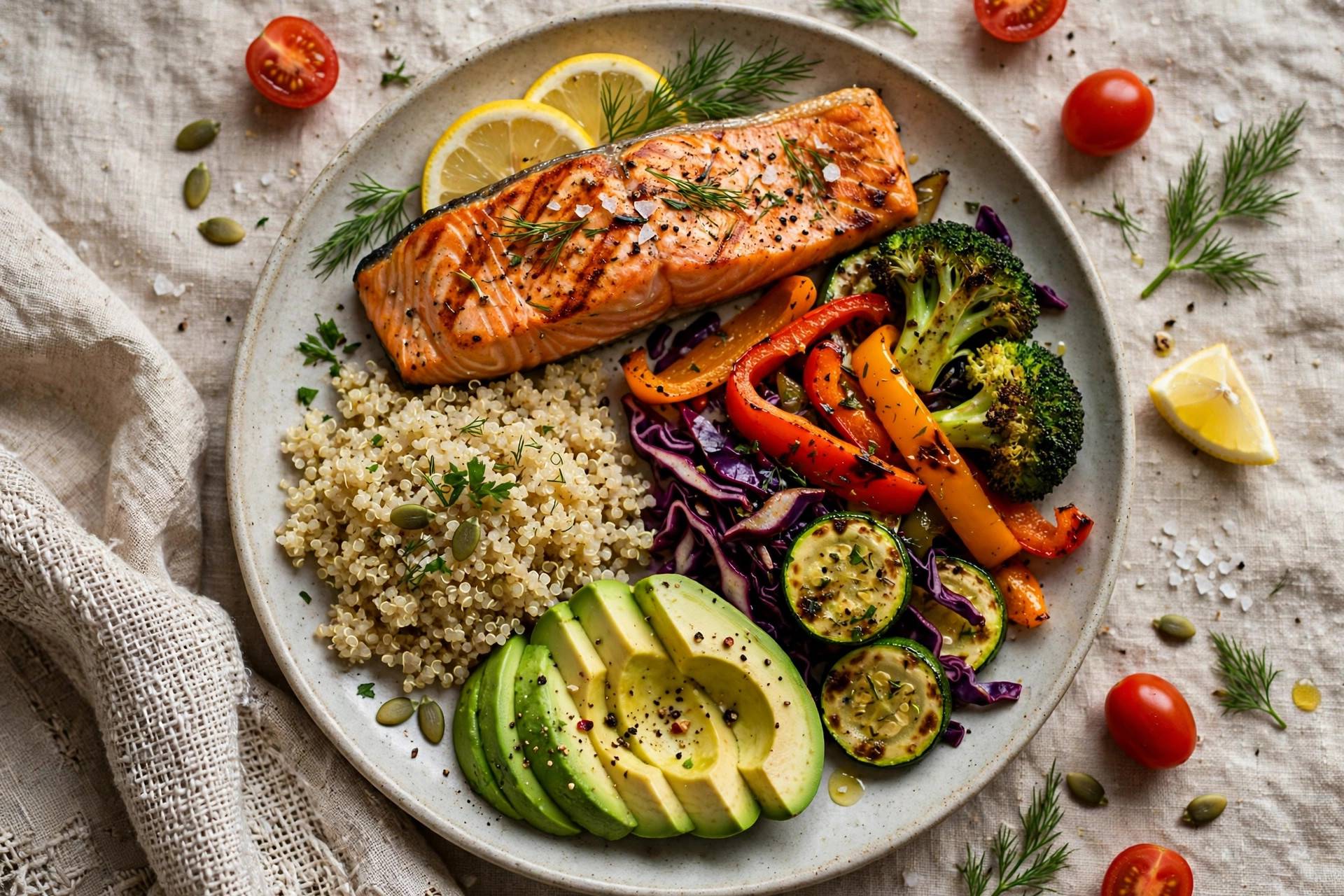
If you've been told you have type 2 diabetes — or you're in the prediabetes zone — the single most powerful lever you have is what's on your plate. Medication matters, but diet determines how hard your body has to work every single day. And the good news that surprises most people: a diabetes-friendly diet isn't about deprivation. It's about structure.
This guide covers how food affects blood sugar, the best and worst foods for type 2 diabetes, how to build meals that keep you steady, and the eating patterns with the strongest evidence.
Quick note: This article is for general information only and isn't medical advice. If you take insulin or blood-sugar-lowering medication, dietary changes can affect your doses — coordinate with your doctor. Never stop medication based on diet changes alone.
How food affects blood sugar
When you eat carbohydrates, your body breaks them down into glucose, which enters the bloodstream. In type 2 diabetes, cells resist insulin's signal (insulin resistance), so glucose lingers in the blood instead of entering cells efficiently. The result: high blood sugar, which over time damages blood vessels, nerves, kidneys, and eyes.
Three things determine a meal's blood sugar impact:
How many carbs it contains (quantity matters most)
What kind — fiber-rich, intact carbs digest slowly; refined carbs spike fast
What you eat with them — protein, fat, and fiber all slow glucose absorption
You don't need to fear carbs. You need to manage them.
The best foods for type 2 diabetes
Non-starchy vegetables (eat freely)
Leafy greens, broccoli, cauliflower, peppers, zucchini, green beans, tomatoes, mushrooms. Very low in carbs, high in fiber and micronutrients. Fill half your plate with these — it's the simplest diabetes diet rule there is.
Legumes (lentils, chickpeas, black beans)
High in fiber and protein, with a low glycemic impact. They blunt the blood sugar rise of the entire meal. One of the most underrated diabetes foods.
Whole grains (in portions)
Oats, quinoa, barley, brown rice, whole-wheat bread. The fiber and intact structure slow digestion versus refined versions. Portion awareness matters — "whole grain" doesn't mean unlimited.
Fatty fish
Salmon, mackerel, sardines — protein plus omega-3s, with essentially zero blood sugar impact. People with diabetes have elevated heart disease risk, and fish supports cardiovascular health (more in our heart-healthy foods guide).
Nuts and seeds
Almonds, walnuts, chia, flaxseed — healthy fats, fiber, and protein that stabilize blood sugar between meals. Excellent snack choice. Watch portions (calorie-dense).
Greek yogurt (plain)
High protein, moderate carbs, and fermented to boot. Choose plain and add your own berries — flavored versions are often sugar bombs.
Berries
Lower in sugar than most fruit, high in fiber and polyphenols. A genuinely diabetes-friendly fruit.
Eggs
Complete protein, negligible carbs, versatile. The old cholesterol fears about eggs have largely been revised by newer research.
Avocados and olive oil
Monounsaturated fats that improve insulin sensitivity markers and keep meals satisfying without touching blood sugar.
Cinnamon, vinegar, and fenugreek (modest helpers)
Small studies suggest cinnamon and vinegar slightly blunt post-meal glucose rises. The effects are real but small — think garnish, not treatment.
The worst foods for type 2 diabetes
Sugary drinks (the #1 offender)
Soda, sweet tea, energy drinks, fancy coffee drinks, fruit juice. Liquid sugar hits the bloodstream almost instantly with zero satiety. If you change one thing, make it this — switching to water, sparkling water, or unsweetened tea is the highest-impact single dietary change for blood sugar.
Refined carbs
White bread, pastries, white rice in large portions, most breakfast cereals, crackers. They digest nearly as fast as sugar.
Sweets and desserts
Obvious, but worth stating plainly: candy, cookies, cake, ice cream. Not forbidden forever — but they need to be deliberate, portioned treats, not daily background.
Fried foods and processed meats
Beyond blood sugar, diabetes dramatically raises heart disease risk — and these foods compound it. Our cholesterol guide covers the cardiovascular side.
"Diabetic" packaged products
Many products marketed to diabetics are overpriced, still carby, and sweetened with sugar alcohols that cause digestive distress. Read labels; regular whole foods are usually better and cheaper.
Excessive alcohol
Alcohol can both raise and dangerously lower blood sugar (especially with certain medications), adds empty calories, and impairs judgment about food. If you drink, do so with food, in moderation, and know your medication interactions.
How to build a diabetes-friendly plate
Forget complicated counting to start. Use the plate method:
½ plate: non-starchy vegetables
¼ plate: lean protein (fish, poultry, eggs, tofu, legumes)
¼ plate: whole grains or starchy vegetables (in a sensible portion)
Plus: healthy fat (olive oil, avocado, nuts) and water to drink
Meal order trick: eating vegetables and protein before the starchy part of the meal measurably reduces the glucose spike — shown in multiple studies. Same food, different order, better numbers.
Eating patterns with the best evidence
Mediterranean diet — the most studied pattern for diabetes; associated with better blood sugar control and heart outcomes
Lower-carb approaches — effective for many, but "low-carb" spans a wide range; very-low-carb/keto needs medical supervision with diabetes medications
Consistent meal timing — regular meals beat erratic eating for glucose stability; skipping meals then bingeing is the worst pattern
There's no single "diabetes diet" — the best one is the pattern you can sustain that keeps your numbers in range.
What about fruit?
A common confusion. Whole fruit — with its fiber intact — is fine for most people with diabetes in reasonable portions (a piece or a cup, not a fruit salad bowl the size of your head). What's not fine: juice, which is essentially soda with better marketing. Berries, apples, pears, and citrus are the gentlest choices.
When diet isn't enough
Type 2 diabetes is progressive for many people — needing medication eventually isn't a personal failure. Diet maximizes what your body can do and often reduces medication needs, but work with your doctor, not against the prescription pad. If you notice the classic early warning signs, our guide to early signs of diabetes is worth reading — and our checkup timeline covers what screening to get and when.
Reading nutrition labels for blood sugar
The label skills that matter most for diabetes:
Total carbohydrates — the headline number; includes sugars, starch, and fiber together
Dietary fiber — subtract it mentally from total carbs for a rough "net carb" sense (fiber doesn't raise blood sugar)
Added sugars — the "includes Xg added sugars" line tells you how much is added versus naturally occurring; lower is better
Serving size — the oldest trick in labeling; a "small" bottle is often 2–2.5 servings, multiplying every number
A practical rule: if a packaged food has more than ~10g added sugar per serving, it's a treat, not a staple.
Snacks that won't spike your blood sugar
The 3 PM crash is real, and vending-machine logic makes it worse. Keep these around instead:
A small handful of almonds or walnuts
Apple slices with peanut butter (protein + fat blunt the fruit's sugar)
Plain Greek yogurt with cinnamon
Veggie sticks with hummus
A hard-boiled egg
Cheese stick with a few whole-grain crackers
Edamame (steamed, lightly salted)
The formula: protein or fat + fiber. That combination digests slowly and keeps glucose — and hunger — steady for hours.
Eating out without blowing your numbers
Restaurant meals are a minefield of hidden sugar, refined carbs, and enormous portions — but entirely navigable:
Preview the menu online and decide before hunger decides for you
Lead with vegetables — order a side salad or vegetable starter; the meal-order effect works in restaurants too
Swap the starch — double vegetables instead of fries, or ask for the sauce on the side (sauces are stealth sugar)
Protein + veg entrees are the safest default: grilled fish/chicken with vegetables
Beware "healthy" traps — smoothie bowls, large salads with candied nuts and sweet dressing, and "whole grain" bread baskets can all out-sugar a dessert
Alcohol — if you drink, dry wine or spirits with soda water beat beer and cocktails; always with food
Frequently asked questions
Can type 2 diabetes be reversed with diet? Some people achieve remission (normal blood sugar without medication) through substantial weight loss and dietary change — particularly early in the disease. It's not guaranteed and isn't the same as "cured" — ongoing maintenance is required. Discuss goals realistically with your doctor.
Should diabetics avoid all carbs? No. The goal is managing carb quantity, quality, and timing — not elimination. Very-low-carb diets can work but need medical supervision, especially with glucose-lowering medications (hypoglycemia risk).
Is honey better than sugar for diabetics? Marginally, at best. Honey has a slightly lower glycemic index but it's still concentrated sugar — treat it the same as sugar for blood sugar purposes.
How quickly can diet improve blood sugar? Post-meal readings can improve within days of dietary change. A1C (the 3-month average) meaningfully shifts within 8–12 weeks. Consistency matters more than perfection.