Fatty Liver Disease: Early Signs, Causes, and How to Reverse It Naturally
Fatty liver disease has a PR problem: it barely feels like a disease at all. Most people find out they have it by accident — a slightly off liver result on a routine blood test, or an ultrasound ordered for something else entirely. No pain, no dramatic symptoms, just a quiet buildup of fat in an organ that doesn't complain until things get serious.
Here's the part that matters: in its early stages, fatty liver is one of the most reversible conditions in medicine. It is estimated to affect roughly one in four adults worldwide, and for many of them, the liver can return to normal with the right changes. This guide covers the early signs to watch for, what causes fat to build up in the liver, and the natural steps that can help reverse it.
Quick note: This article is for general information only and isn't medical advice. Fatty liver can only be diagnosed with blood tests and imaging, so if your liver enzymes are elevated or you've been told you have a fatty liver, work with your doctor on a plan — the steps below support that plan, they don't replace it.
What Is Fatty Liver Disease?
A healthy liver contains very little fat. When fat makes up more than about 5% of the liver's weight, doctors call it fatty liver (steatosis).
There are two main types:
- Metabolic dysfunction-associated steatotic liver disease (MASLD) — the newer name for what was long called non-alcoholic fatty liver disease (NAFLD). This is the common type, linked to weight, blood sugar, and metabolic health rather than alcohol.
- Alcohol-related fatty liver — caused by heavy alcohol use over time.
This article focuses on the metabolic type, since it's by far the most common. Fatty liver tends to progress in stages:
- Simple steatosis — extra fat in the liver, but little or no inflammation. This stage is usually reversible.
- Steatohepatitis (MASH) — fat plus inflammation and liver cell damage.
- Fibrosis — scarring builds up as the liver tries to repair itself.
- Cirrhosis — extensive scarring that can lead to liver failure. This stage is largely irreversible.
The goal is simple: catch it at stage one, while reversal is still on the table.
Early Signs of Fatty Liver Disease
The honest answer is that early fatty liver usually has no symptoms at all. That's what makes it easy to miss — and why routine bloodwork matters. When signs do appear, they tend to be vague:
1. Persistent fatigue
A tiredness that sleep doesn't fix is one of the most commonly reported symptoms. It's easy to blame on a busy life, which is exactly why it's overlooked.
2. Discomfort in the upper right abdomen
A dull ache or feeling of fullness under the right ribs, where the liver sits, can occur when the liver becomes enlarged.
3. Unexplained weight gain or difficulty losing weight
Fatty liver and insulin resistance feed each other. If weight is creeping up — especially around the waist — despite no big change in habits, metabolic issues may be at play.
4. Elevated liver enzymes on a blood test
This is how most cases surface. ALT and AST that come back mildly high on a routine panel are often the first clue, long before any symptom.
5. Dark, velvety skin patches
Acanthosis nigricans — darkened, thickened skin in body folds like the neck and armpits — is associated with insulin resistance, which is closely tied to fatty liver.
6. Brain fog and poor concentration
Less well known, but many people with fatty liver report mental sluggishness. The liver helps clear toxins from the blood, and a struggling liver can leave you feeling foggy.
None of these signs prove you have fatty liver — they overlap with dozens of other conditions. They're a reason to ask for a liver panel, not a reason to self-diagnose.
What Causes Fatty Liver?
Fat builds up in the liver when the body takes in or produces more fat than the liver can process and export. The most common drivers:
- Excess weight, especially belly fat — visceral fat around the organs is strongly linked to liver fat.
- Insulin resistance and type 2 diabetes — when cells resist insulin, the liver stores more fat. This is why fatty liver and diabetes so often appear together; if you're watching your blood sugar, our guide to the early warning signs of diabetes is worth reading.
- High triglycerides and cholesterol — the same metabolic pattern that raises blood lipids raises liver fat. The strategies in our guide on how to lower cholesterol naturally overlap heavily with liver-friendly eating.
- Sugary drinks and fructose — soda, sweet tea, and juice deliver fructose straight to the liver, where it's readily converted to fat.
- Refined carbohydrates — white bread, pastries, and large portions of white rice can spike blood sugar and insulin.
- Rapid weight loss or crash dieting — paradoxically, losing weight too fast can temporarily worsen liver fat.
- Certain medications and conditions — including some steroids, methotrexate, and polycystic ovary syndrome (PCOS).
Genetics play a role too — some people develop fatty liver at a normal weight, which is why thin people aren't automatically in the clear.
How Fatty Liver Is Diagnosed
Because symptoms are unreliable, diagnosis comes from testing:
- Blood tests — liver enzymes (ALT, AST) plus markers of metabolic health like fasting glucose, A1C, and lipids. Doctors may calculate a simple score (such as FIB-4) from routine results to estimate scarring risk.
- Ultrasound — the most common imaging test; it can show a "bright" liver consistent with fat buildup.
- FibroScan — a specialized ultrasound that measures liver stiffness, helping estimate fibrosis without a biopsy.
- Biopsy — rarely needed, but still the most definitive way to stage the disease.
If your results suggest fatty liver, ask which stage you're likely at — that answer shapes how aggressive your plan needs to be.
9 Steps That Can Help Reverse Fatty Liver Naturally
There's no approved medication that directly removes liver fat for the metabolic type, which makes lifestyle the primary treatment — and genuinely effective, especially early on. Research consistently shows that losing around 7–10% of body weight can reduce liver inflammation, while even 3–5% can reduce liver fat itself.
1. Lose weight gradually, if you carry extra
Aim for slow, steady loss — around 0.5–1 kg (1–2 lbs) per week. Crash diets can backfire. If you need a food framework, the eating pattern in our type 2 diabetes diet guide works well for liver health too, since the two conditions share the same roots.
2. Cut liquid sugar first
If you change only one thing, make it this one. Soda, sweetened coffee drinks, energy drinks, and fruit juice are the fastest route for fructose to reach your liver. Swap to water, sparkling water, or unsweetened tea.
3. Build meals on the Mediterranean pattern
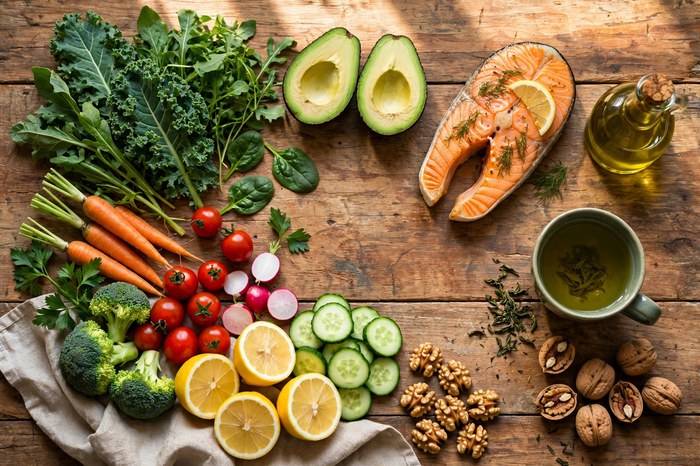
Vegetables, legumes, whole grains, olive oil, fish, and modest portions of lean protein. This pattern is repeatedly associated with less liver fat, even without strict calorie counting.
4. Move most days
Both aerobic exercise and resistance training can reduce liver fat — even without weight loss. A practical target is at least 150 minutes of moderate activity a week (brisk walking counts), plus some strength work.
5. Be honest about alcohol
Even if your fatty liver isn't alcohol-related, alcohol adds stress to an already struggling liver. Many doctors advise cutting it out entirely while you work on reversal.
6. Don't fear coffee
Interestingly, coffee is one of the few "vices" linked to better liver outcomes — studies associate regular coffee drinking with less liver fibrosis. It doesn't need to be added if you don't drink it, but there's no need to quit for your liver's sake.
7. Prioritize sleep
Poor sleep is associated with worse metabolic health and weight gain. Seven to nine hours supports everything else on this list.
8. Read labels for hidden sugars
Fructose hides in sauces, flavored yogurts, granola, and "low-fat" products. If sugar (or corn syrup) is in the first few ingredients, treat it like a dessert.
9. Retest and track progress
Ask for a follow-up liver panel in 3–6 months. Watching ALT trend down is powerful motivation, and it tells you whether your plan is working or needs adjusting.
Fatty Liver Diet: What to Eat and What to Limit
| Eat more of | Limit or avoid |
|---|---|
| Leafy greens and non-starchy vegetables | Soda, juice, and sweetened drinks |
| Fatty fish (salmon, sardines, mackerel) | Fried foods and fast food |
| Beans, lentils, and chickpeas | White bread, pastries, and refined snacks |
| Olive oil and other unsaturated fats | Processed meats (sausages, bacon, deli meats) |
| Whole grains (oats, brown rice, quinoa) | Sweets, candy, and sugary cereals |
| Nuts and seeds in modest portions | Alcohol |
| Eggs, Greek yogurt, tofu, lean poultry | Sauces and dressings with added sugar |
Frequently Asked Questions
Can fatty liver be completely reversed?
In the early stage (simple steatosis), yes — the liver has a remarkable ability to heal once the causes are addressed, and fat can clear entirely. Once significant scarring (advanced fibrosis or cirrhosis) develops, damage is much harder to undo, which is why early action matters so much.
How long does it take to reverse fatty liver?
It varies, but many people see liver enzymes improve within 3–6 months of consistent changes. Meaningful reductions in liver fat often take 6–12 months. This is a marathon measured in months, not a two-week cleanse.
Is fatty liver dangerous if I feel fine?
It can be. Most people with simple fatty liver never progress, but some develop inflammation and scarring over years without symptoms. It also travels with higher risk of heart disease and type 2 diabetes — in fact, cardiovascular disease is the leading cause of death in people with fatty liver. Feeling fine is not the same as being fine.
What is the best drink for fatty liver?
Water is the safest default. Unsweetened green tea and black coffee are also fine, and coffee in particular has been associated with healthier livers in research. The drinks to avoid are the sugary ones — soda, juice, and sweet tea.
Do I need supplements to cleanse my liver?
Be skeptical of "liver detox" and "liver cleanse" products — the liver doesn't need cleansing; it needs less incoming fat and sugar. Some supplements, like high-dose vitamin E, have been studied in specific cases, but they carry risks and should only be used under a doctor's supervision. No supplement outperforms weight loss and diet change.
When to See a Doctor
Book an appointment if:
- A blood test shows elevated liver enzymes (ALT or AST)
- An ultrasound report mentions fatty liver or an enlarged liver
- You have type 2 diabetes, high triglycerides, or significant belly weight — even without symptoms, screening is worthwhile
- You notice yellowing of the eyes or skin, marked abdominal swelling, confusion, or unusual bruising — these can signal advanced liver disease and need prompt evaluation
The Bottom Line
Fatty liver disease is common, quiet, and — in its early stages — genuinely reversible. The formula isn't exotic: less sugar and refined food, a Mediterranean-style plate, regular movement, and gradual weight loss if you need it. No cleanse, no miracle supplement.
If a routine test has flagged your liver, treat it as useful information rather than a scare. Start with the sugary drinks and the daily walk, get retested in a few months, and let the numbers show you it's working.
Medical disclaimer: The content on HealthyZo is for informational purposes only and is not a substitute for professional medical advice, diagnosis, or treatment. Always seek the advice of your physician or another qualified health provider with any questions about a medical condition.