
By Putri PD

{ "@context": "https://schema.org", "@type": "FAQPage", "mainEntity": [ { "@type": "Question", "name": "Why do I feel dizzy when I stand up in the morning?", "acceptedAnswer": { "@type": "Answer", "text": "Morning dizziness when standing up is often orthostatic hypotension — a temporary drop in blood pressure when you move from lying to standing. Dehydration, low fluid intake, certain medications, and prolonged bed rest can make it more noticeable." } }, { "@type": "Question", "name": "Is it normal to feel dizzy when standing up?", "acceptedAnswer": { "@type": "Answer", "text": "Occasional brief dizziness when standing up quickly is common and usually harmless. But if ...
By Putri PD

If you’ve ever opened your eyes, sat up in bed, and felt the room tip to one side… you’re not imagining it.
That “why am I dizzy in the morning when I wake up?” moment can be really frightening. For a few seconds, you don’t know if you’re about to faint, if something serious is going on with your heart or brain, or if you just moved too quickly. And because it happens when you’re half asleep, in the dark, it can really shake your sense of safety.
The reassuring part: morning dizziness is very common, and a ...
By Putri PD - October 19, 2026
Key Takeaways
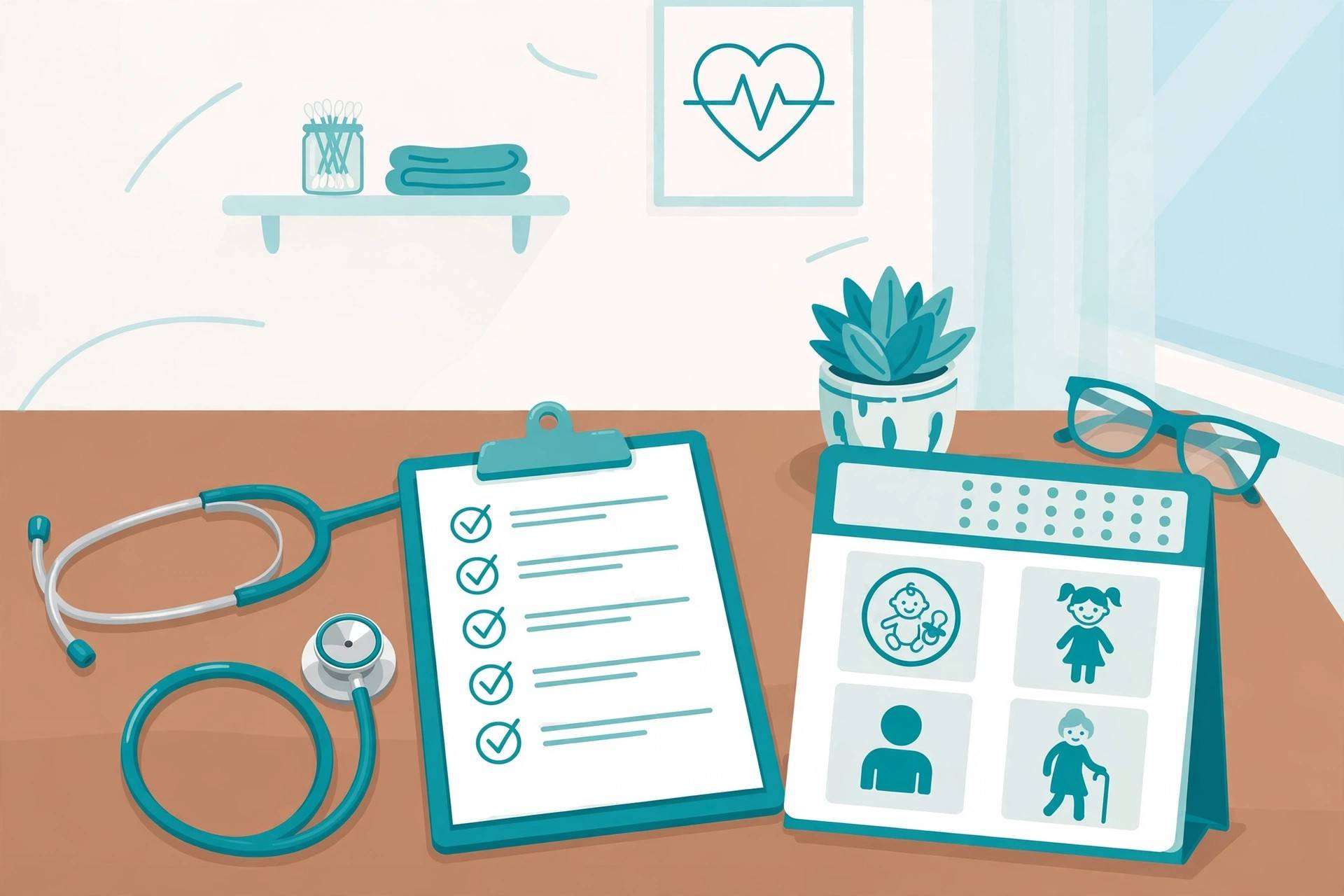
Blood pressure: check every 2 years in your 20s, then yearly from your 30s onward.
Cholesterol and diabetes: get a baseline in your 20s; diabetes screening starts at 35 and cholesterol rechecks every 4-6 years.
Colorectal cancer screening starts at 45.
Bone density: discuss a DEXA scan at 50+ if you have risk factors; routine screening for women 65+ and men 70+.
Yearly check-ups matter most after 50 - keep vaccines, vision, and hearing checks on the schedule.
When was your last check-up? If you're like most people, the honest answer is "longer ago than I'd like to admit." Life gets busy, nothing hurts, ...

October is when flu season starts climbing. Pharmacies put up their flu-shot signs, offices fill with coughs, and public health agencies begin their annual push: get vaccinated, wash your hands, and don't tough it out at work when you're sick.
Most of this advice you've heard before. The problem isn't knowing it — it's doing it consistently, and doing it at the right time. This guide organizes what public health agencies actually recommend for the 2026–2027 flu season into 12 practical steps, plus how to tell flu apart from a cold or COVID, what to do when symptoms hit, and when ...
Key Takeaways
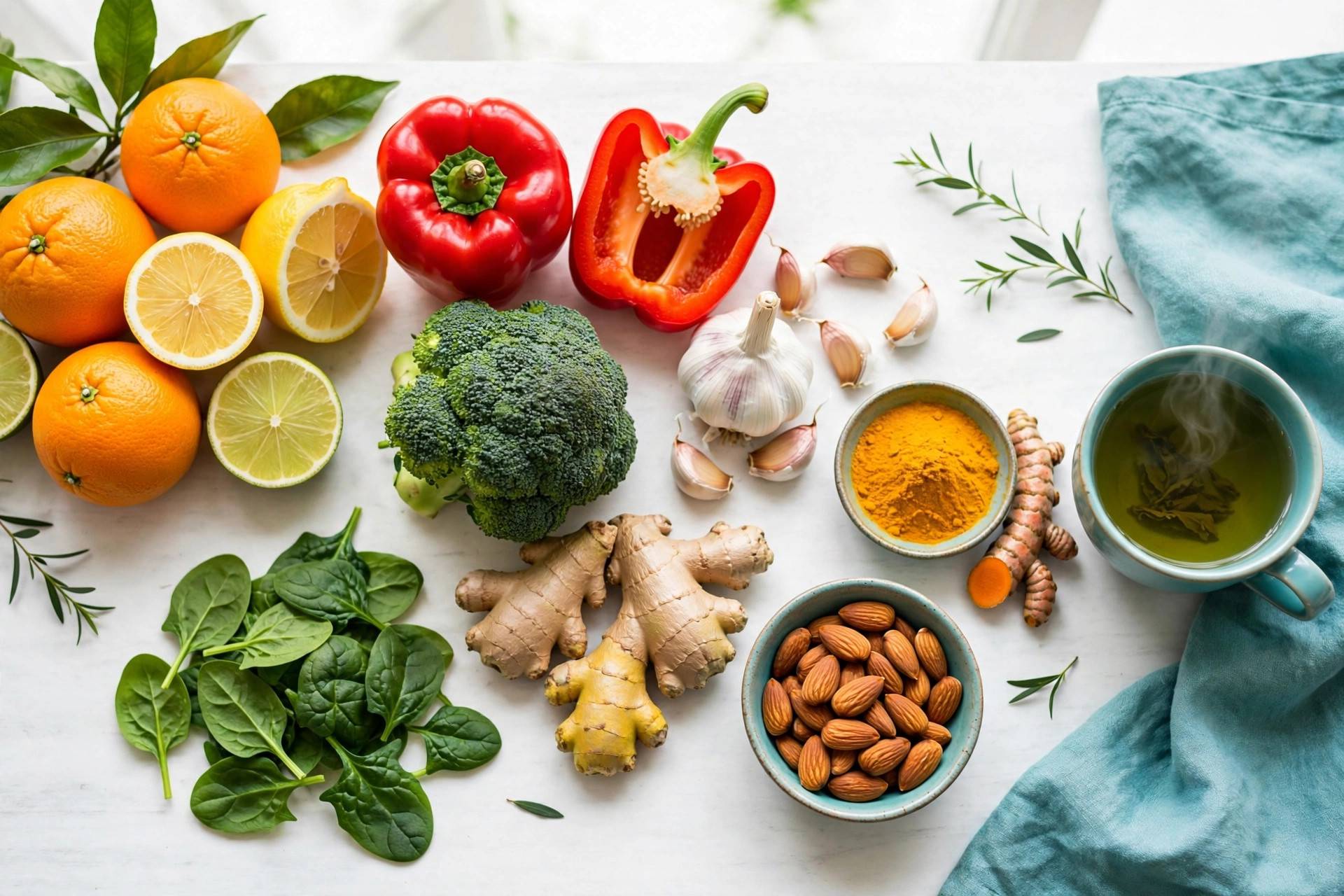
No food boosts immunity overnight — consistent nutrition matters.
Vitamin C, vitamin D, zinc, and protein have the strongest evidence.
Citrus, red bell peppers, garlic, yogurt, and spinach cover most of your bases.
Sleep, stress, and sugar affect your immunity as much as food does.
Supplements help only when you’re deficient — food comes first.
Every winter the same thing happens — pharmacy shelves empty of “immunity” products. Truth: no food upgrades immunity overnight. Think of the immune system like a garden — it thrives with consistent tending. But food matters: immune cells are built and fueled by nutrients. This guide covers 15 foods ...

Everyone feels down sometimes. A bad week, a disappointment, grief — low mood is part of being human. Depression is something else: a persistent, pervasive state that colors everything, drains the energy from things you used to enjoy, and can make even small tasks feel impossible. It's also one of the most treatable mental health conditions — when it's recognized.
The trouble is that early depression rarely announces itself clearly. It creeps in disguised as tiredness, irritability, or "just a rough patch." These 12 early signs are worth knowing — for yourself and for people you care about.
Quick note: This article ...

Every spring (or fall, depending on your nemesis pollen), millions of people start sneezing, itching, and dripping — and many of them mistake it for a cold that never ends. Seasonal allergies, or hay fever, are an immune system overreaction to harmless pollen. Understanding what's actually happening makes the treatments make sense.
Quick note: This article is for general information only and isn't medical advice. If you have asthma, severe reactions, or symptoms that don't respond to standard treatments, see a doctor or allergist.
What seasonal allergies are
Your immune system mistakes pollen for a dangerous invader and releases histamine and other chemicals ...

Irritable bowel syndrome (IBS) is one of the most common gut disorders in the world — and one of the most frustrating. There's no single test for it, no cure, and symptoms swing unpredictably between fine and miserable. If your gut seems to have a mind of its own, this guide will help you understand what's happening and what actually helps.
Quick note: This article is for general information only and isn't medical advice. IBS shares symptoms with conditions that need different treatment (celiac disease, IBD, even colon cancer) — get properly evaluated before assuming your symptoms are IBS.
What IBS is ...
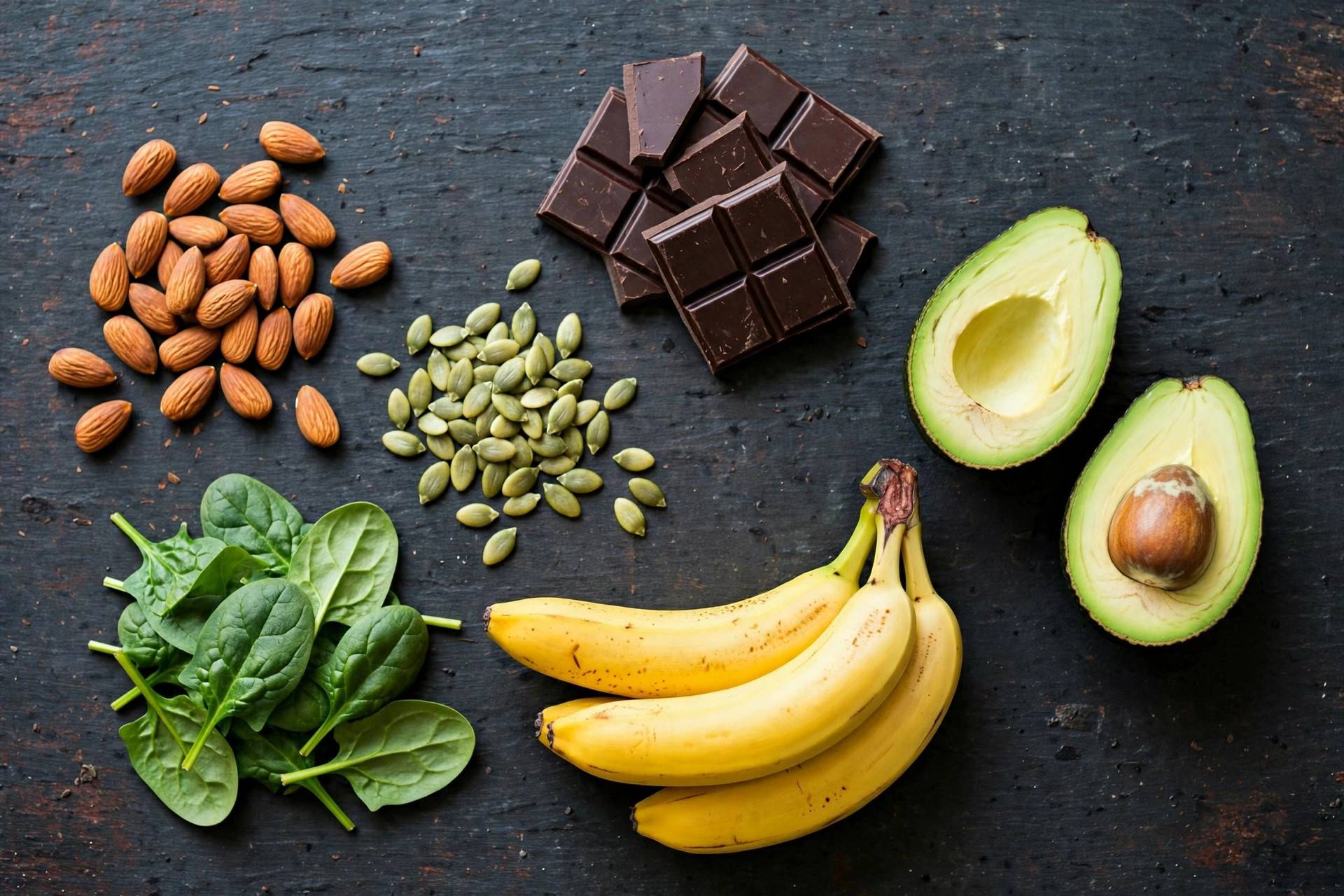
Magnesium is involved in more than 300 biochemical processes in your body — muscle function, nerve signaling, energy production, blood sugar control, even the quality of your sleep. Yet surveys suggest a large share of adults don't get enough. Here's what magnesium does, where to get it, how much you need, and the signs you might be running low.
Quick note: This article is for general information only and isn't medical advice. If you have kidney disease or take medications, check with your doctor before supplementing magnesium — excess magnesium can be dangerous in certain conditions.
What magnesium does in your body
Magnesium ...

High blood pressure (hypertension) is called the silent killer for a reason: it usually causes zero symptoms while quietly damaging your arteries, heart, brain, and kidneys year after year. Nearly half of adults have it, and many don't know.
Here's the encouraging part: blood pressure responds remarkably well to lifestyle changes — often as powerfully as a single medication. This guide covers the strategies with the strongest evidence, roughly in order of impact.
Quick note: This article is for general information only and isn't medical advice. If you're on blood pressure medication, don't stop it without your doctor — natural approaches work ...